



What's Happening?
Two prominent music videos from past decades, Madonna's "Like a Prayer" and MC Hammer's "Pumps and a Bump," generated significant public outrage and nearly led to their artists being 'canceled' long before the contemporary concept of cancel culture existed.
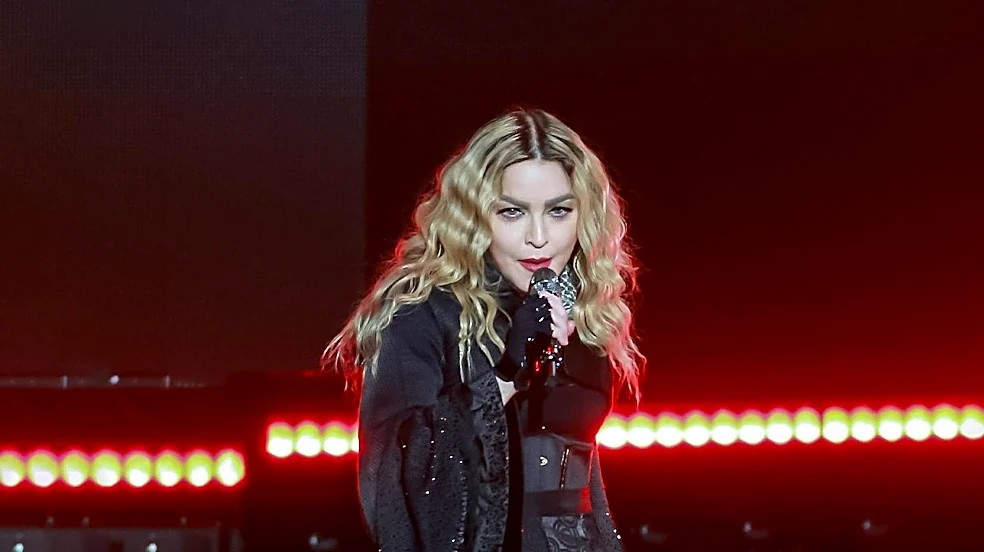
Madonna's "Like a Prayer" video, which utilized Catholic iconography to critique hypocrisy, sparked widespread condemnation from MTV viewers and ultimately cost her a Pepsi commercial deal. Despite the controversy, the video went on to win an MTV VMA. Similarly, MC Hammer's "Pumps and a Bump" video, featuring him in a Speedo and gyrating, was deemed too explicit by MTV and was removed from air, forcing him to produce an alternative version for promotion. These instances highlight a historical pattern of public backlash against artists for content perceived as offensive or controversial, demonstrating that such reactions are not a new phenomenon.
Why It's Important?
The historical controversies surrounding music videos like "Like a Prayer" and "Pumps and a Bump" are important because they provide context to the ongoing discussions about artistic freedom, public morality, and the evolution of media censorship in the U.S. These cases illustrate that public outrage and calls for accountability from artists have been present for decades, predating the digital age and social media-driven 'cancel culture.' The reactions to these videos underscore the shifting boundaries of what is considered acceptable in mainstream media and how artists navigate societal norms. For the music industry, these events demonstrate the potential commercial and reputational risks associated with provocative content, even if such content eventually garners critical acclaim or cultural significance. They also highlight the power of public opinion and media platforms like MTV in shaping cultural discourse and influencing artistic expression.
What's Next?
While the specific controversies surrounding "Like a Prayer" and "Pumps and a Bump" are historical, their legacy continues to inform contemporary debates about artistic expression and public reception. The ongoing discussion around 'cancel culture' will likely continue to draw parallels to these past incidents, examining whether modern reactions are fundamentally different or merely amplified by new technologies. Artists and media companies will continue to grapple with the balance between creative freedom and potential public backlash, especially as social and cultural sensitivities evolve. Future music videos that push boundaries may face similar scrutiny, prompting renewed discussions about censorship, artistic intent, and the role of media in reflecting or challenging societal values. The industry may also see continued efforts to self-regulate or adapt content to avoid widespread condemnation, while some artists may intentionally court controversy to generate discussion and attention.
Beyond the Headlines
The controversies surrounding these music videos delve into deeper implications concerning the interplay between art, religion, and societal norms. Madonna's use of religious imagery in "Like a Prayer" sparked a debate about blasphemy versus artistic commentary, challenging the sanctity of religious symbols in popular culture. This raised questions about who has the authority to interpret and represent religious themes, and whether artists should be free to use such imagery for social critique. MC Hammer's video, on the other hand, highlighted evolving standards of sexual explicitness in mainstream media and the double standards often applied to male and female artists. These incidents reflect broader cultural shifts in the U.S. regarding freedom of expression, the role of media in shaping public discourse, and the persistent tension between conservative values and progressive artistic movements. They also underscore how public perception and moral panic can influence commercial decisions and artistic careers.