








What's Happening?
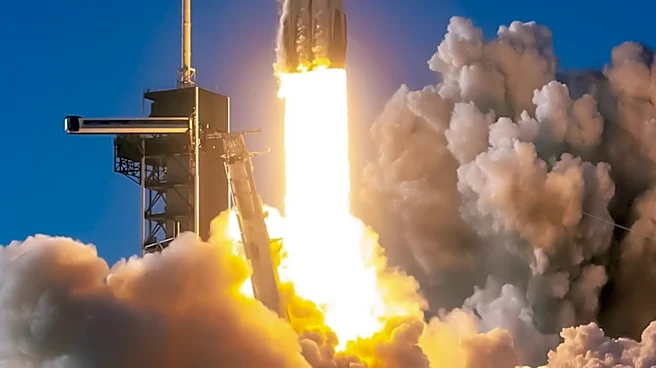
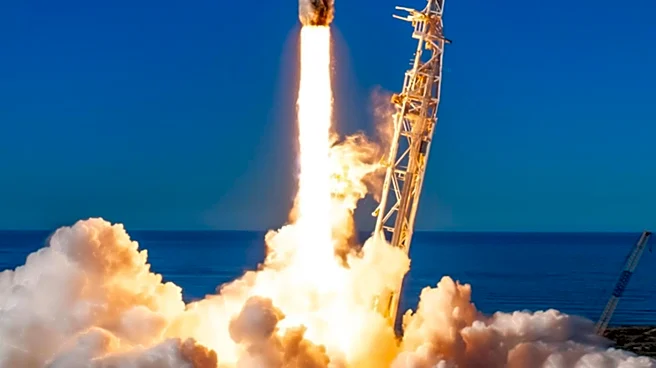
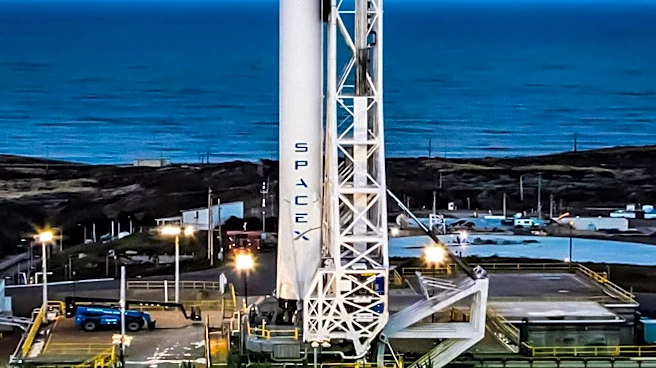
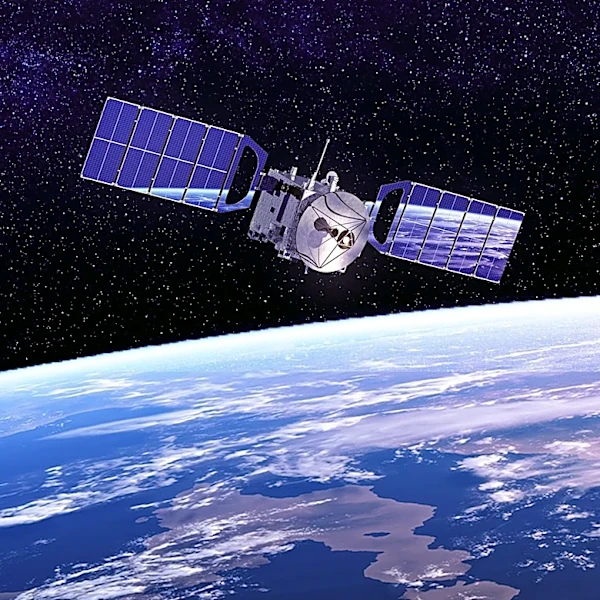
Weather Stream, a commercial weather satellite operator based in Boulder, Colorado, has launched its GEMS2-Amethyst satellite equipped with a commercial microwave radiometer. This satellite, launched on March 30 aboard the SpaceX Transporter 16 rideshare
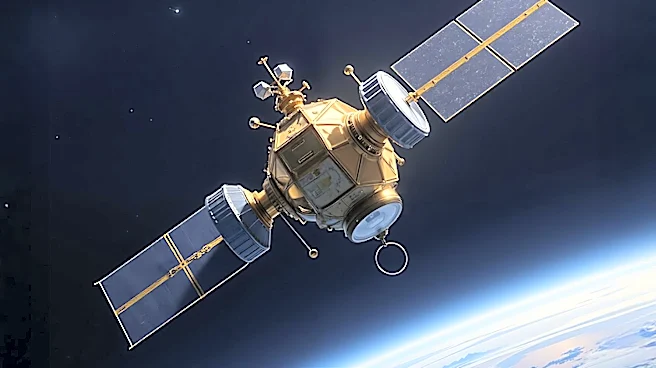
mission from Vandenberg Space Force Base in California, is designed to provide 3D atmospheric temperature and moisture profiles. The GEMS2-Amethyst satellite aims to fill observation gaps that impact various sectors, including severe storm forecasting, military operations, and the insurance industry. The satellite's dual-band passive microwave radiometer, integrated into a GomSpace bus, measures atmospheric temperature and humidity profiles across a nearly 2,000-kilometer swath, offering global coverage approximately every 12 hours. The satellite is expected to remain in a 600-kilometer sun synchronous orbit for over five years.
Why It's Important?
The deployment of the GEMS2-Amethyst satellite is significant as it enhances the accuracy and frequency of atmospheric data collection, which is crucial for improving weather prediction models. Government agencies like the National Oceanic and Atmospheric Administration (NOAA) and the U.S. Air Force have recognized the importance of microwave sounding in numerical weather models, awarding contracts to companies like Weather Stream to develop and deploy these instruments. The data collected by GEMS2-Amethyst could lead to sustained commercial data purchases, bolstering NOAA's operational forecasts. This development is poised to benefit industries reliant on accurate weather data, such as agriculture, aviation, and disaster management, by providing more reliable forecasts and risk assessments.
What's Next?
Weather Stream plans to establish a GEMS commercial weather data constellation to gather data as frequently as every 15 minutes. This initiative could further revolutionize weather forecasting by providing near real-time atmospheric data. The success of the GEMS2-Amethyst satellite could encourage further investment in commercial weather satellites, potentially leading to more collaborations between private companies and government agencies. As the satellite continues to operate, its data will be assessed for quality and impact on NOAA forecast models, which could influence future contracts and data purchases.
Beyond the Headlines
The launch of the GEMS2-Amethyst satellite highlights the growing role of private companies in space-based weather observation, traditionally dominated by government agencies. This shift could lead to increased competition and innovation in the field, potentially lowering costs and improving the quality of weather data available to various stakeholders. Additionally, the integration of commercial data into government models may raise questions about data privacy, security, and the balance between public and private sector roles in critical infrastructure.