






What's Happening?
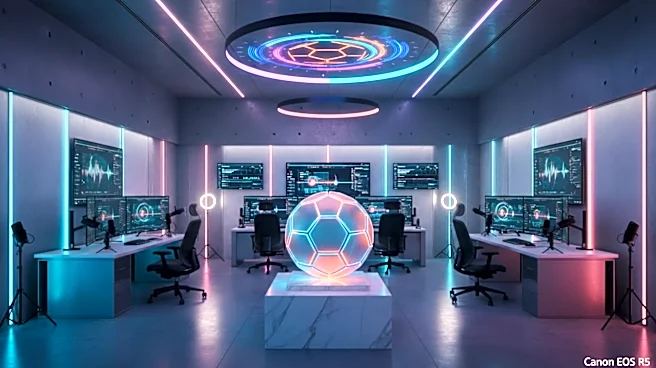
The 2026 FIFA World Cup has seen a significant shift in how the event is broadcasted and consumed, with creators playing a central role. For the first time, FIFA has partnered with TikTok, granting 30 creators behind-the-scenes access to the World Cup.
This partnership marks a strategic move to integrate creators into the official experience, rather than having them comment from the sidelines. Platforms like Twitch have become 'digital stadiums,' where streamers such as IShowSpeed and others provide live commentary and engage with audiences in real-time. This approach has transformed the viewing experience into a shared, interactive event. Additionally, brands like DoorDash have sponsored creative content, turning broadcasts into interactive experiences where audiences participate in real-time predictions and discussions.
Why It's Important?
This development highlights a broader trend in sports media, where traditional broadcasting is being supplemented by creator-led content. By involving creators directly, FIFA and other stakeholders are tapping into younger audiences who prefer interactive and community-driven experiences. This shift not only enhances viewer engagement but also opens new monetization opportunities for brands and creators alike. The integration of creators into the official World Cup experience reflects a growing recognition of their influence in shaping sports culture and media consumption. This could lead to a more diversified media landscape, where traditional and new media coexist, offering varied experiences to different audience segments.
What's Next?
As creators become more integral to sports broadcasting, we can expect further formalization of their roles, possibly through official accreditation and expanded partnerships. This could lead to more structured collaborations between sports organizations and digital platforms, enhancing the reach and impact of sports events. Brands may continue to explore innovative ways to engage audiences through creator-led content, potentially leading to new business models and revenue streams. The success of this approach at the World Cup could serve as a blueprint for other major sporting events, encouraging a shift towards more interactive and community-focused broadcasting strategies.
Beyond the Headlines
The involvement of creators in the World Cup broadcasting highlights a cultural shift towards more personalized and interactive media consumption. This trend reflects broader changes in how younger generations engage with content, preferring platforms that offer real-time interaction and community involvement. The success of this model could influence other industries, encouraging a move towards more participatory and creator-driven content strategies. Additionally, the integration of digital and physical experiences, as seen with pop-up events and real-world activations, suggests a future where the lines between online and offline engagement continue to blur.