









What's Happening?
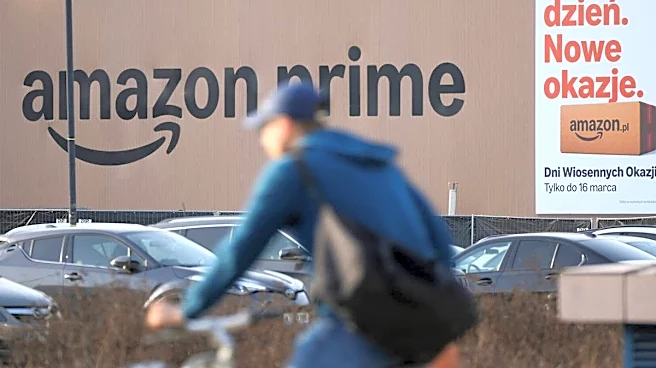
During Amazon's annual Prime Day event, U.S. consumers spent over $26.4 billion, marking a 9.3% increase from the previous year. The event, which ran from June 23 to June 26, saw shoppers taking advantage of significant discounts on electronics, toys,
appliances, and personal care products. Analysts attribute this spending surge to high inflation and strategic purchasing of long-lasting goods. Tax refunds, which increased by 11.1% to an average of $3,462, also provided a financial boost to consumers. Despite the increased spending, the average order size decreased, indicating that consumers are spreading their budgets over more discounted items.
Why It's Important?
The spending patterns observed during Prime Day offer insights into consumer behavior amid economic challenges. The reliance on discounts and tax refunds suggests that consumers are cautious with their spending, prioritizing essential and durable goods. Retailers may need to continue offering deep discounts to maintain sales momentum, especially as tax refunds will not be available in the fall and winter months. This trend highlights the ongoing impact of inflation on consumer purchasing power and the importance of strategic pricing for retailers.