




What's Happening?
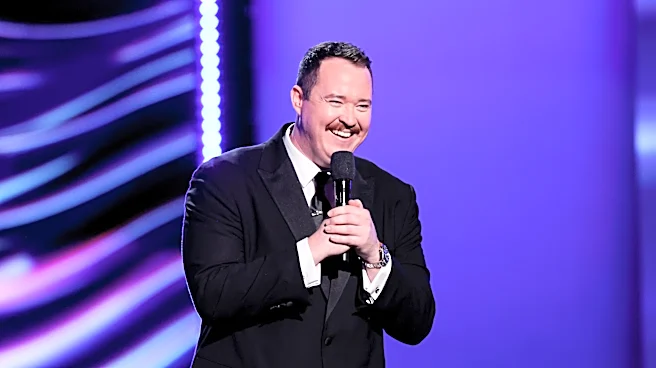
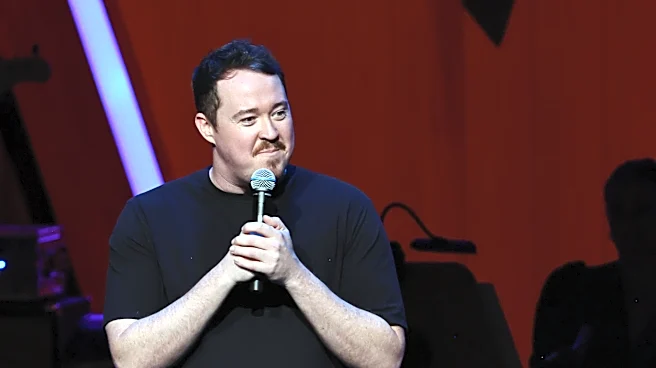
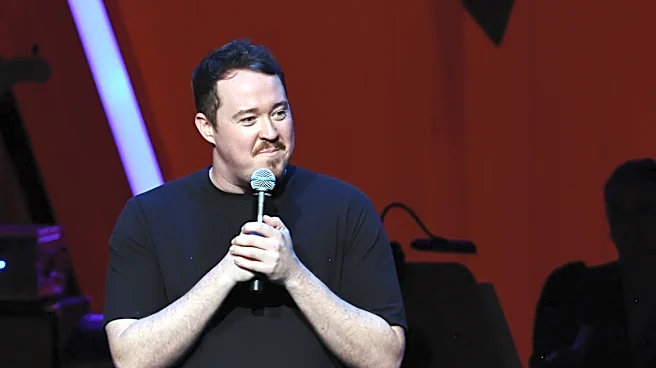
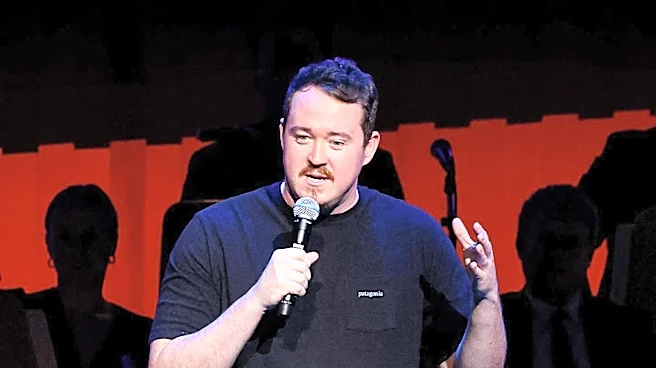
Comedian Shane Gillis has addressed the controversy surrounding his 'Saturday Night Live' monologue from October 10, where he made a joke about women's attire at the gym. Speaking on 'The Joe Rogan Experience' on November 13, Gillis clarified that SNL
producers do not approve a comedian's exact material beforehand. He stated that while SNL 'could shut it down,' comedians typically do not submit their full set for approval, unlike non-comedians for whom writers might craft monologues. Gillis recounted telling producers that his monologue was 'not great' but promised 'no controversy,' believing he was primarily making self-deprecating jokes about his weight. The joke, which drew criticism from figures like Dan Levy and Ego Nwodim, suggested women 'dress like whores' at the gym.
Why It's Important?
This incident highlights the ongoing tension between comedic freedom and public sensitivity, particularly in the context of a major national platform like 'Saturday Night Live.' Gillis's comments about SNL's approval process shed light on the creative autonomy given to hosts, which can lead to unexpected and controversial moments. The backlash and subsequent discussion underscore the evolving standards of humor and what is deemed acceptable by a broad audience. For SNL, such controversies can impact its reputation and viewership, forcing a re-evaluation of its vetting processes or its stance on provocative content. The differing reactions from celebrities and the public also reflect a broader societal debate about cancel culture, freedom of speech, and accountability for public figures.
What's Next?
Shane Gillis's explanation on 'The Joe Rogan Experience' is likely to fuel further discussion and debate regarding his monologue and the role of comedians in pushing boundaries. While some may accept his clarification about SNL's approval process, others may continue to criticize the content of his joke. The incident could influence future decisions by SNL regarding host selection and the level of oversight applied to monologues, potentially leading to more stringent guidelines or a preference for less controversial figures. For Gillis, the long-term impact on his career remains to be seen, as public perception and industry reactions continue to unfold. The conversation also contributes to the broader discourse on humor, offense, and the responsibilities of public platforms.
Beyond the Headlines
The controversy surrounding Shane Gillis's 'Saturday Night Live' monologue delves into deeper ethical and cultural implications regarding comedy and public discourse. The idea that comedians do not submit their full material for approval raises questions about the extent of a platform's responsibility for content aired live. This incident also touches upon the subjective nature of humor and offense, where a joke intended as observational or self-deprecating can be perceived as misogynistic or offensive by others. The differing reactions from various public figures and the general audience highlight a cultural divide in what constitutes acceptable humor, particularly when it targets specific groups. This ongoing dialogue shapes the boundaries of comedic expression and influences how major media institutions navigate controversial content in an increasingly sensitive public sphere.