

What's Happening?
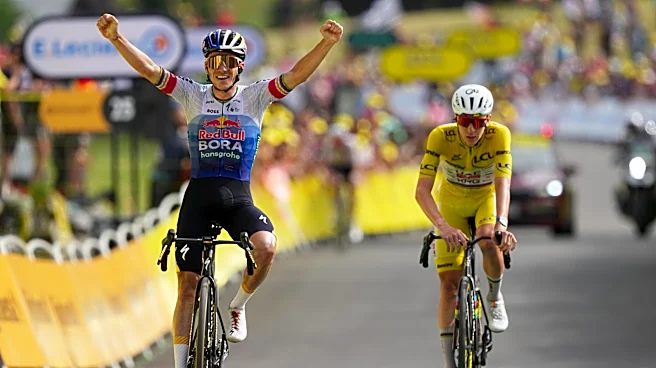
Remco Evenepoel, winner of Stage 15 of the Tour de France, has criticized the timing of anti-doping tests conducted in the middle of the night. Evenepoel described the tests as 'inhuman' and 'disrespectful,' highlighting the disruption to riders' sleep
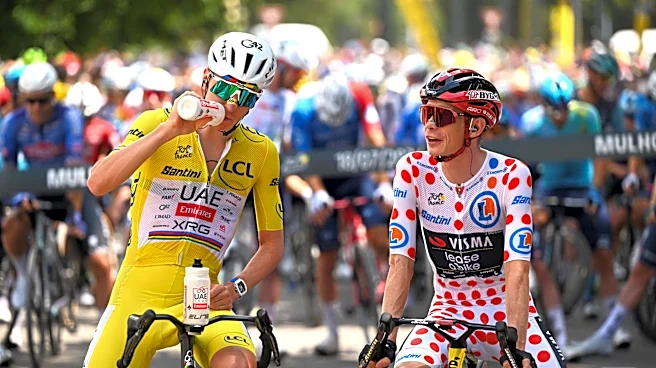
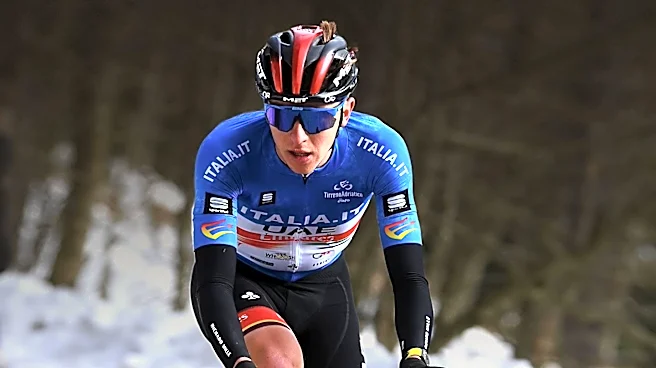
and performance. The tests were conducted on Jonas Vingegaard at 2:00 AM and Tadej Pogačar at 5:00 AM, potentially affecting their performance. Vingegaard, who crashed during the stage, will undergo surgery for a broken collarbone.
Why It's Important?
The timing of these doping tests raises concerns about the impact on athletes' health and performance. Disrupted sleep can affect concentration and physical capabilities, potentially contributing to accidents like Vingegaard's crash. The criticism from Evenepoel and other riders may prompt a review of testing protocols to ensure they do not compromise athlete welfare. This issue highlights the ongoing tension between maintaining fair competition and protecting athletes' well-being.
What's Next?
The International Testing Agency may face pressure to revise its testing procedures to minimize disruption to athletes. The cycling community and governing bodies might engage in discussions to balance effective anti-doping measures with the need to protect riders' health. The outcome of these discussions could lead to changes in how and when tests are conducted during major competitions like the Tour de France.