




What's Happening?
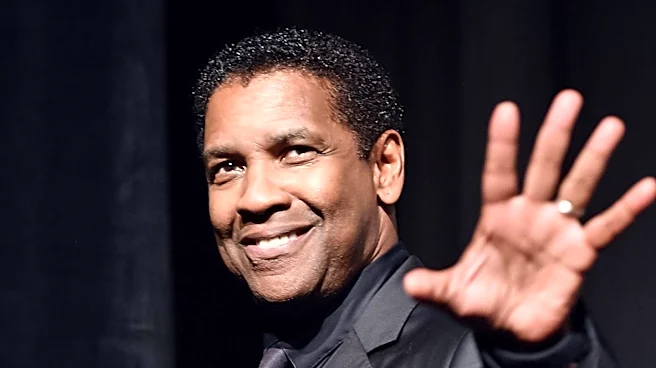
Denzel Washington, the two-time Oscar winner, accepted the role of real-life heroin kingpin Frank Lucas in Ridley Scott’s 2007 crime drama 'American Gangster' under a specific condition: the character had to face consequences for his actions. According
to producer Brian Grazer, Washington stated, 'I can play a drug dealer, but only if the character is punished.' Washington himself emphasized, 'We had to see him pay.' This demand stemmed from his concern that portraying a criminal without showing the repercussions could lead audiences to idolize the character, a common issue in films featuring criminal figures. Lucas was a notorious drug trafficker who smuggled heroin into the United States during the Vietnam War, reportedly using the coffins of American soldiers. In the film, Lucas is eventually arrested and sentenced to 70 years in prison, ultimately serving about 15 years.
Why It's Important?
This decision by Denzel Washington highlights a significant ethical consideration in filmmaking, particularly when adapting stories about real-life criminals. By insisting on the portrayal of consequences, Washington aimed to prevent the romanticization of criminal behavior and reinforce a moral compass within the narrative. This approach can influence how audiences perceive such characters, encouraging a more critical view rather than admiration for illicit success. For the entertainment industry, it sets a precedent for responsible storytelling, especially in biopics that might inadvertently glorify controversial figures. It underscores the power of actors to shape the moral messaging of their projects and reflects a broader societal discussion about the impact of media on public perception and values. This stance also contributes to the ongoing debate about artistic freedom versus social responsibility in Hollywood.
What's Next?
The precedent set by actors like Denzel Washington in demanding moral accountability for their characters could influence future casting and production decisions in Hollywood. Filmmakers and studios might face increased scrutiny regarding how they depict criminal figures, potentially leading to more nuanced and consequence-driven narratives. This could encourage a trend where actors, particularly those with significant influence, use their leverage to advocate for ethical storytelling. Audiences may also become more discerning, expecting films about controversial figures to include a clear depiction of justice or repercussions. This shift could lead to a greater emphasis on the educational and moral aspects of true-crime dramas, moving beyond mere sensationalism to explore the full scope of criminal actions and their societal impact.
Beyond the Headlines
Washington's insistence on consequences for his character in 'American Gangster' delves into the deeper ethical responsibilities of artists and the media. It touches upon the long-standing debate about the potential for film to influence societal norms and values. By ensuring that Frank Lucas's criminal enterprise ultimately led to his downfall, Washington addressed the concern that art could inadvertently legitimize or glamorize illegal activities. This act reflects a commitment to using his platform to promote a sense of justice and moral clarity, rather than simply entertaining. It also highlights the cultural impact of cinema, where the portrayal of characters, especially those based on real individuals, can shape public perception and contribute to broader discussions about crime, punishment, and morality in American society.