




What's Happening?
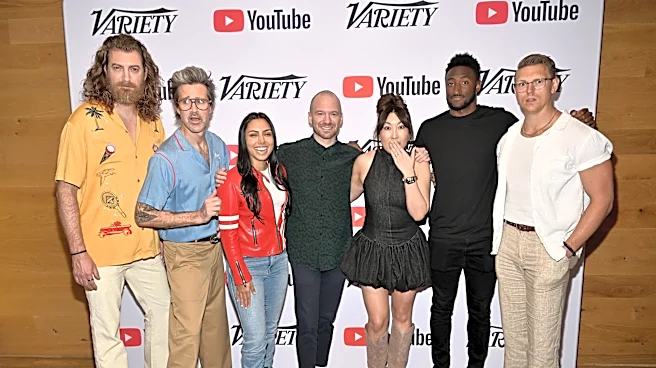
YouTube creators are increasingly moving from online video series to producing feature films for major platforms like Netflix and theatrical releases. This shift is exemplified by groups such as The Sidemen, who successfully transitioned a YouTube series to Netflix,
and creators like Dhar Mann and TBNR, who are establishing full-fledged production studios. Additionally, creators like Jessica Kaylee and Grace Reiter are developing feature films, with Kaylee's Christmas movie 'Frosted' already released and Reiter's 'Twilight (But Better)' slated for 2027. A critical aspect of this transition is the management of music rights, which often become a significant hurdle when content moves from YouTube to theaters or streaming services. Standard creator music licenses typically do not cover these broader distribution channels, necessitating robust rights clearance processes. Companies like Epidemic Sound are facilitating this by owning the rights to their music, allowing soundtracks to seamlessly transition across platforms without legal complications.
Why It's Important?
This trend signifies a major evolution in content creation and distribution, blurring the lines between traditional media and creator-driven platforms. The move by YouTube creators into feature films indicates a growing recognition of their storytelling capabilities and audience reach beyond the digital sphere. This shift creates new opportunities for creators to monetize their content and expand their influence, while also presenting challenges related to intellectual property and licensing. The emphasis on music rights highlights a critical business and legal aspect of this expansion; inadequate rights management can halt production or distribution deals. For the entertainment industry, this means a new wave of talent and content, potentially disrupting traditional production models and offering diverse narratives. It also underscores the increasing importance of comprehensive rights management solutions for creators aiming for mainstream success.
What's Next?
The foreseeable future will likely see more YouTube creators venturing into feature film production, driven by the success of early adopters. This will necessitate further development in legal and business frameworks to support creators in navigating complex distribution agreements and intellectual property rights. Expect increased partnerships between creators and specialized music licensing companies like Epidemic Sound, which can provide clear pathways for music usage across various platforms. Streaming services and film distributors will likely continue to invest in creator-led projects, recognizing their established fan bases and unique content. This could lead to new models for film financing and production, potentially empowering creators with more control over their projects. The industry may also see a rise in specialized agencies and legal services catering specifically to the needs of digital creators transitioning to traditional media.
Beyond the Headlines
This phenomenon reflects a broader cultural shift where digital influence translates into mainstream credibility and commercial success. The transition of YouTube series to Netflix and theatrical releases challenges the traditional gatekeepers of the entertainment industry, demonstrating that compelling content and engaged audiences can originate from diverse sources. Ethically, it raises questions about fair compensation for creators and the protection of their intellectual property in a rapidly evolving media landscape. Legally, the complexities of music rights and content licensing will continue to be a focal point, potentially leading to new legal precedents or industry standards. Culturally, it signifies a democratization of storytelling, allowing a wider range of voices and perspectives to reach global audiences, potentially reshaping narrative conventions and audience expectations for film and television.