
What's Happening?
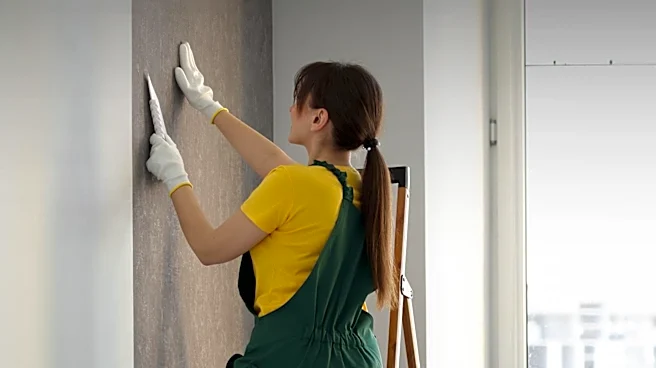
Women homeowners are increasingly embracing do-it-yourself (DIY) home repairs and renovations, sharing their experiences and practical advice. Many, like the author, entered homeownership with minimal
maintenance knowledge and learned through online tutorials, Reddit threads, and trial and error. Emily Pearl Reist, co-host of the 'How to Handyma'am' podcast, notes that women often feel they need to prove themselves in this profession. Renee Bruner, who gained a large social media following, started her DIY journey by refinishing hardwood floors. Beth Kindig volunteers with Habitat for Humanity's Women Build program, which teaches construction skills. These women emphasize that learning these skills provides a sense of empowerment and freedom. They highlight the importance of starting with small projects to build confidence and acquiring essential tools, such as a multi-bit ratcheting screwdriver, a lightweight ladder, and construction jacks for moving heavy furniture. The community aspect, both online and through programs like Women Build, plays a crucial role in sharing knowledge and encouragement.
Why It's Important?
This trend signifies a significant shift in traditional gender roles within home maintenance and improvement, empowering women to take control of their living spaces and finances. Historically, these tasks were often gendered, with men typically handling repairs and renovations. By acquiring DIY skills, women can save substantial amounts of money that would otherwise be spent on professional services, thereby increasing their financial independence and home equity. This movement also challenges societal perceptions and stereotypes about women's capabilities in traditionally male-dominated fields. The shared experiences and online communities foster a supportive environment, breaking down barriers and encouraging more women to engage in hands-on projects. This empowerment extends beyond individual homes, potentially influencing younger generations, as seen with Meghan Kindsvater teaching her daughter practical skills, normalizing the idea of women being proficient in construction and repair.
What's Next?
The continued growth of online communities, social media platforms, and programs like Habitat for Humanity's Women Build will likely further democratize access to DIY knowledge and skills. We can expect to see more women-focused workshops and resources emerging, catering to different skill levels and project types. Tool manufacturers may also respond by designing more ergonomic and user-friendly tools that cater to a broader demographic, as suggested by Stephanie Huynh's preference for lighter, better-balanced drills. The increasing visibility of women successfully undertaking complex home projects could inspire more individuals to tackle their own renovations, leading to a more self-reliant and empowered homeowner population. This shift may also encourage a re-evaluation of vocational training and skill-building opportunities for girls and women from a young age.
Beyond the Headlines
Beyond the immediate practical benefits, this movement has deeper cultural and psychological implications. It represents a quiet rebellion against historical limitations and expectations placed on women, fostering a sense of self-efficacy and resilience. The act of deconstructing and rebuilding a space can be profoundly empowering, symbolizing the ability to overcome challenges and shape one's environment. It also highlights the evolving nature of expertise, moving from traditional apprenticeships to decentralized, community-driven learning through online platforms. The emphasis on resourcefulness, repurposing, and making do with what's available also aligns with broader sustainability trends. Furthermore, the shared experiences create a powerful sense of solidarity among women, challenging the isolation that can sometimes accompany homeownership and fostering a new form of community based on shared skills and mutual support.