






What's Happening?
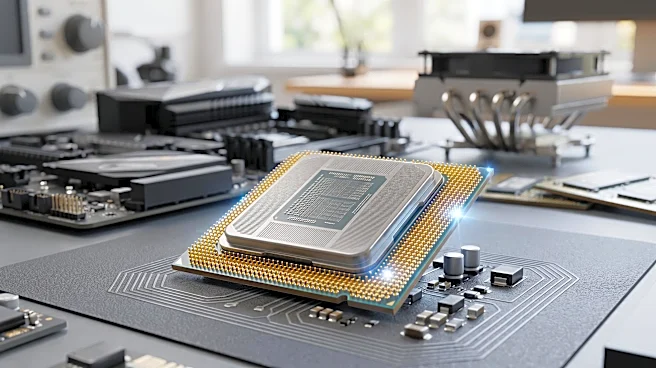
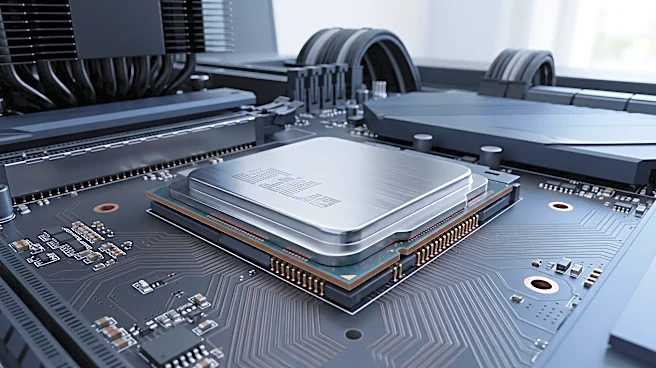
Intel has introduced the Core Ultra 7 260K desktop processor, which is not being sold as a standalone retail product. Instead, it is exclusively available within preconfigured gaming PCs offered by ABS, a brand sold through Newegg. This processor features
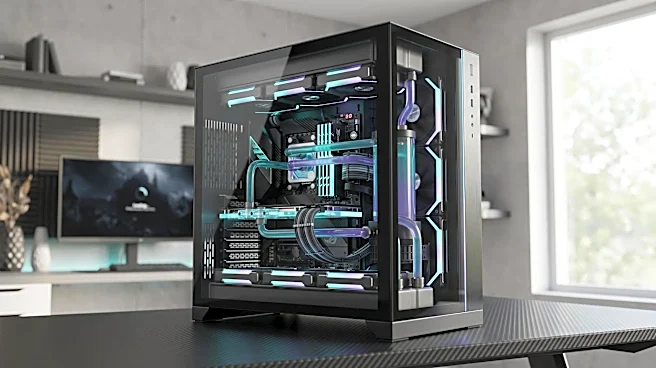
20 cores, comprising eight Performance-cores and twelve Efficiency-cores, 30 MB of L3 cache, and supports DDR5-6400 memory. Its maximum P-core clock speed is 5.4 GHz. According to Newegg, the Core Ultra 7 260K shares many specifications with the Core Ultra 7 265K, including a 3.9 GHz P-core base clock and a 125-watt Processor Base Power. The primary difference lies in the maximum P-core turbo frequency, with the 260K reaching 5.4 GHz compared to the 265K's 5.5 GHz. Intel has confirmed that this model has limited availability and no separate retail version is currently planned. One example of its integration is in the ABS Flux II Aqua, which includes a GeForce RTX 5070, 32 GB of DDR5-6000, and a 1 TB PCIe 4.0 SSD, priced at US$1,999.99 on Newegg.
Why It's Important?
This exclusive availability strategy by Intel and Newegg impacts the U.S. PC market by limiting consumer choice and potentially influencing pricing dynamics for prebuilt systems. For PC builders and enthusiasts, the Core Ultra 7 260K is not a viable option for custom builds, as it cannot be purchased individually. This approach allows manufacturers like ABS to differentiate their prebuilt offerings and potentially secure a competitive edge by featuring unique, albeit slightly modified, processors. While the performance difference between the 260K and the 265K is minimal (a 100 MHz lower maximum boost, representing less than a two percent frequency difference), the sales strategy itself is significant. It suggests a trend where processor manufacturers might increasingly partner with system integrators to control distribution and marketing, potentially leading to more specialized hardware configurations in the prebuilt market. This could benefit consumers seeking complete, optimized systems but restrict those who prefer to assemble their own PCs.
What's Next?
The current strategy indicates that the Core Ultra 7 260K will remain exclusive to ABS prebuilt PCs sold through Newegg, with no immediate plans for a standalone retail release. This approach may continue to be adopted by Intel for other processor variants, particularly for specific market segments like gaming prebuilts. Consumers interested in this particular processor will need to purchase one of the preconfigured systems. The long-term implications could include other manufacturers exploring similar exclusive partnerships to offer unique hardware configurations. The success of this model could also influence future product launches, potentially leading to more OEM-specific processor versions that are not available to the general public for individual purchase. This could further solidify the market for prebuilt gaming PCs, making them more attractive to a broader range of consumers.
Beyond the Headlines
This development highlights a broader shift in the technology industry's distribution and marketing strategies, particularly in the competitive PC hardware market. By offering exclusive processor variants to specific system integrators, Intel can exert greater control over how its products are packaged and sold, potentially optimizing supply chains and reducing direct competition for individual components. This strategy could also be a response to the increasing demand for ready-to-use, high-performance gaming systems, where the convenience of a prebuilt PC outweighs the desire for component-level customization for many consumers. From an ethical standpoint, while not inherently problematic, it does limit consumer freedom in component selection, which could be a point of contention for the DIY PC building community. It also underscores the growing importance of partnerships between chip manufacturers and system builders in shaping market offerings and consumer choices.