





What's Happening?
Maryland's hospitality sector showcases a wide array of top-rated hotels, catering to various traveler preferences across its distinct geographical regions. The state's diverse landscape, ranging from the Chesapeake Bay to the Appalachian mountains and Atlantic
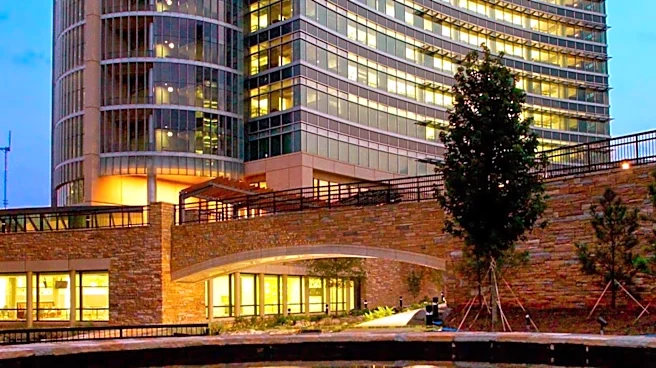
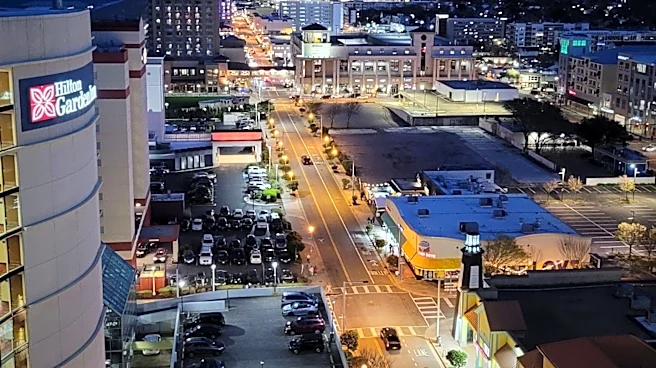
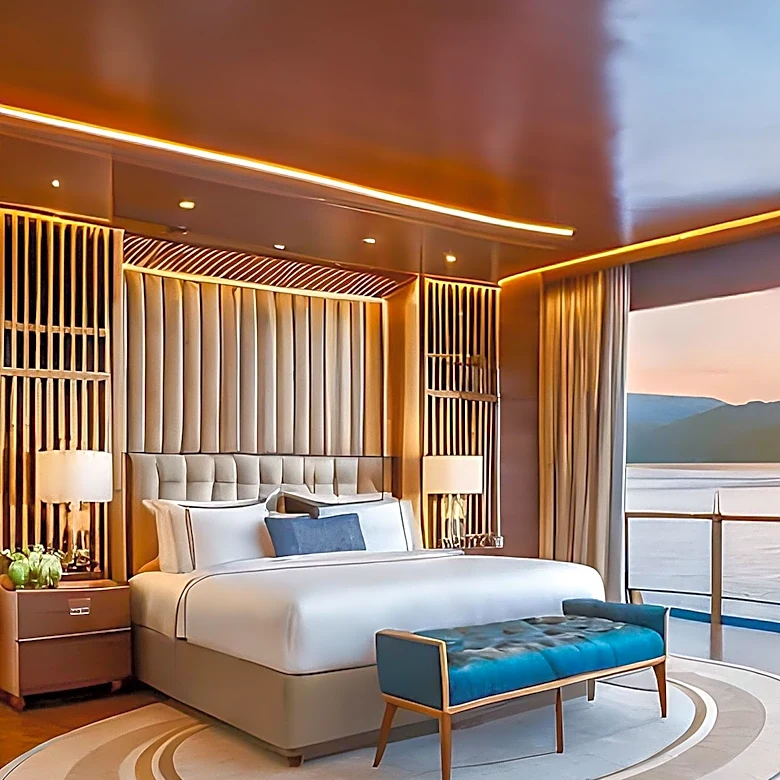
beaches, is reflected in its hotel offerings. In Baltimore, options include the industrial-chic luxury of Sagamore Pendry, the full-service comfort of Four Seasons Hotel Baltimore, and the intimate, all-inclusive historic stay at The Ivy Hotel. For those seeking historic waterfront charm, the Annapolis Waterfront Hotel and the Inn at Perry Cabin in St. Michaels provide nautical getaways. Beach-focused families can choose between the Hilton Ocean City Oceanfront Suites, offering in-suite kitchens, or the Princess Royale Oceanfront Resort, known for its large-scale amenities. Mountain and lake enthusiasts have options like the Lake Pointe Inn and Suites at Silver Tree for lakefront access, or the Savage River Lodge for secluded woodland retreats. These establishments are recognized for their unique features, guest ratings, and market positioning, providing a comprehensive guide for visitors to the state.
Why It's Important?
The diverse and high-quality hotel offerings across Maryland are crucial for the state's tourism industry and local economies. By providing a range of accommodations from luxury urban hotels to secluded mountain lodges and family-friendly beach resorts, Maryland attracts a broad spectrum of visitors, boosting revenue for local businesses, creating employment opportunities, and supporting regional development. The emphasis on unique experiences, such as private yacht excursions at the Inn at Perry Cabin or glamping yurts at Savage River Lodge, enhances Maryland's appeal as a travel destination. This variety also allows the state to compete effectively in the national tourism market, drawing visitors who might otherwise choose other destinations. The economic impact extends beyond the hotels themselves, benefiting restaurants, attractions, and other service providers in each region. Furthermore, the consistent high ratings and unique features of these hotels contribute to Maryland's reputation as a welcoming and diverse travel destination.
What's Next?
The Maryland hotel market is expected to continue adapting to traveler demands, with ongoing efforts to enhance guest experiences and maintain high service standards. As local counties set their own hotel rental tax rates in addition to the state's 6 percent sales tax, travelers should anticipate varying total costs depending on their chosen location. For instance, Worcester County, home to Ocean City, implemented a new 6.0 percent room tax effective January 1, 2026. Future developments may include further specialization of hotel offerings to cater to niche markets, such as eco-tourism or wellness retreats, particularly in the more secluded natural areas. Hotels will likely continue to leverage their unique geographical advantages, whether it's direct water access in Annapolis and Ocean City or woodland seclusion in Western Maryland, to attract and retain guests. Travelers are advised to confirm exact combined rates and any resort fees directly with hotels before booking, as these can vary significantly by jurisdiction and property.
Beyond the Headlines
The curated selection of Maryland's top hotels reflects a broader trend in the hospitality industry towards personalized and experience-driven travel. Beyond simply providing a place to stay, these establishments are increasingly becoming destinations in themselves, offering unique amenities and immersive experiences that connect guests with the local culture and environment. This shift has implications for how travel is marketed and consumed, moving away from generic accommodations towards bespoke stays that cater to specific interests, whether it's historical exploration, outdoor adventure, or luxury relaxation. The emphasis on local ingredients in hotel restaurants, such as at the Sagamore Pendry, and the integration of natural surroundings, like the 700 acres of state forest at Savage River Lodge, highlight a growing demand for authenticity and sustainability in travel. This trend not only enriches the traveler's experience but also encourages hotels to become more deeply integrated with their local communities and ecosystems.