






What's Happening?
Pottery Barn, a brand under Williams-Sonoma, Inc., has announced an exclusive collaboration with Big Daddy's Antiques. This partnership introduces a new collection of home furnishings inspired by the distinctive style of Big Daddy's Antiques, known for
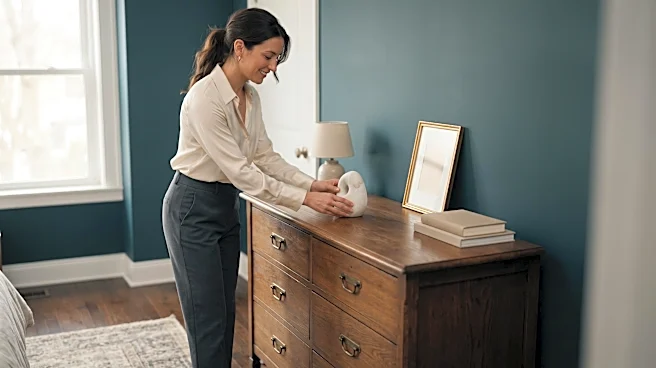
its curated selection of vintage furniture, architectural salvage, and unique design pieces. The collection aims to bring the essence of discovery and the beauty of storied design into homes, featuring items that evoke a sense of being collected over time. Shane Brown, the founder and CEO of Big Daddy's Antiques, designed the collection, drawing inspiration from European markets, architectural salvage yards, and vintage stores. The assortment includes furniture such as dining tables, chairs, buffets, consoles, coffee tables, dressers, nightstands, and leather-upholstered beds. Additionally, the collection offers vintage-inspired lighting with milk glass details, an aged brass wine bucket, cheese serving pieces, gilt picture frames, and sculptural stone decorative objects. The designs emphasize rich wood finishes, natural textures, and layered materials to create warmth, character, and authenticity.
Why It's Important?
This collaboration is significant for the U.S. home furnishings market as it merges a mainstream retail giant with a niche antique dealer, potentially broadening the appeal of vintage-inspired aesthetics. For Pottery Barn, it represents a strategic move to cater to consumers seeking unique, personalized, and layered home decor, moving beyond mass-produced items. This trend reflects a growing consumer desire for individuality and sustainability, as vintage and heritage-inspired pieces often imply longevity and a reduced environmental footprint compared to fast furniture. The partnership could also elevate the profile of antique and vintage sourcing within the broader design industry, influencing other retailers to explore similar collaborations. Economically, it could stimulate demand for higher-quality, design-led furniture, potentially benefiting artisans and manufacturers specializing in traditional craftsmanship. For consumers, it offers accessible options to incorporate distinctive, character-rich pieces into their homes without the extensive search often required for genuine antiques.
What's Next?
Following the launch, Pottery Barn will likely monitor consumer reception and sales performance of the Big Daddy's Antiques collection. Successful integration of these vintage-inspired pieces could lead to further collaborations with other antique dealers or designers specializing in unique, heritage aesthetics. The collection's performance will also indicate the strength of the market for curated, character-driven home furnishings, potentially influencing future product development and marketing strategies for Pottery Barn and its competitors. Retailers may observe how this collaboration impacts customer engagement and brand perception, particularly among demographics interested in sustainable and personalized home decor. Shane Brown's continued involvement in design and sourcing for similar projects could also expand, solidifying his influence in the broader home design landscape. The industry will be watching to see if this partnership sets a new precedent for how large retailers incorporate vintage and antique elements into their offerings.
Beyond the Headlines
This collaboration highlights a deeper cultural shift towards valuing authenticity, history, and individuality in consumer goods, particularly within home decor. In an era of rapid consumption and disposable trends, the appeal of vintage-inspired items suggests a longing for permanence and storytelling within personal spaces. It also touches upon the ethical dimension of consumption, as incorporating 'collected over time' pieces can be seen as a more sustainable approach than constantly buying new. The partnership bridges the gap between high-end antique collecting and accessible retail, democratizing access to a certain aesthetic that was once exclusive. This could foster a greater appreciation for craftsmanship and the narrative behind objects, encouraging consumers to invest in pieces with perceived longevity and character. Furthermore, it reflects a broader trend in retail where brands seek to differentiate themselves by offering unique, curated experiences and products that resonate with consumers' desire for personal expression and connection to the past.