









What's Happening?
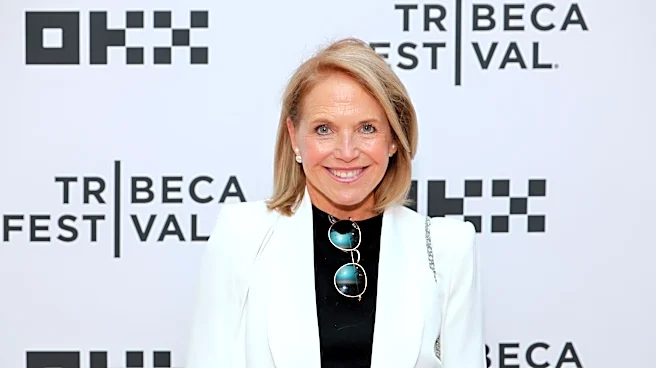
Katie Couric, a prominent journalist and founder of Katie Couric Media, has publicly shared her experiences of being 'gaslit' during her tenure at '60 Minutes.' In a recent episode of the podcast 'Call Her Daddy,' Couric recounted instances where her story
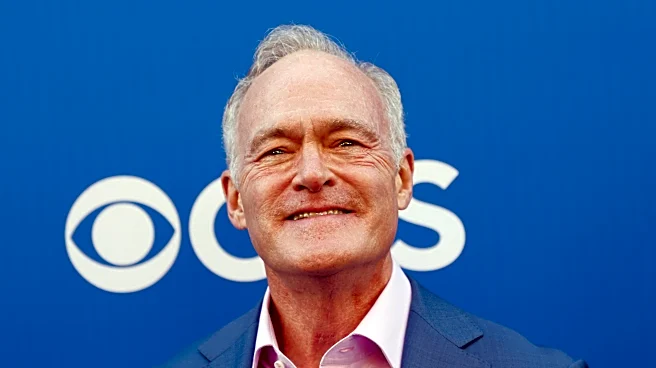
pitches were reassigned to male colleagues without her knowledge. She specifically mentioned incidents involving profiles on Lady Gaga and Hillary Clinton, where she was initially assigned the stories, only to find out later that they were given to Anderson Cooper and Scott Pelley, respectively. Couric expressed frustration over the lack of communication from Jeff Fager, the executive producer of '60 Minutes' at the time, who she claims did not inform her of the reassignments. Fager, who was later fired in 2018 for sending a threatening message to a CBS reporter, has faced accusations of inappropriate behavior and covering up sexual misconduct, which he denies.
Why It's Important?
Couric's revelations highlight ongoing issues of sexism and lack of transparency within major media organizations. Her experiences underscore the challenges faced by women in journalism, particularly in high-profile roles where decision-making is often dominated by male executives. The allegations against Jeff Fager and the subsequent fallout at CBS News reflect broader industry struggles with addressing misconduct and ensuring equitable treatment of employees. This situation not only impacts the individuals involved but also affects the credibility and integrity of news organizations, which are expected to uphold high ethical standards. The public disclosure of such internal dynamics can lead to increased scrutiny and pressure for reform within media companies.
What's Next?
The revelations by Couric may prompt further examination of past and present practices at CBS News and other media outlets. There could be calls for more transparent and equitable processes in story assignments and decision-making. Additionally, the industry might see increased advocacy for policies that address gender bias and promote diversity in leadership roles. As media organizations continue to navigate these challenges, they may implement measures to rebuild trust with their audiences and ensure a fair working environment for all employees.