






What's Happening?
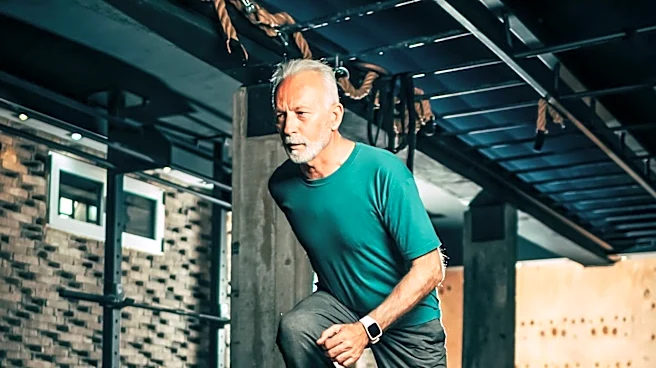
Strength training, a practice dating back to 700 BC, is increasingly recognized as a crucial element for overall health, particularly for aging adults. Regular strength training, performed two to three times per week, is highly effective in combating
age-related muscle loss, improving balance, maintaining bone density, and supporting cognitive health. This form of exercise helps individuals gain muscle mass, reduce body fat, and can even alleviate symptoms of depression while boosting self-confidence. The brain, which consumes a significant amount of the body's energy, also benefits from increased creatine availability, with early research suggesting improvements in memory, attention, and mental performance, especially in older adults or during periods of mental stress. Creatine, naturally produced by the liver and kidneys and found in foods like beef and fish, primarily aids in rapidly regenerating ATP, the body's immediate energy source during short bursts of activity. As natural creatine stores and muscle mass decline with age, contributing to sarcopenia, combining creatine supplementation with resistance training has been shown to yield greater improvements in lean muscle mass and strength compared to strength training alone.
Why It's Important?
The integration of strength training and creatine supplementation holds significant implications for public health and the well-being of the aging U.S. population. With an increasing elderly demographic, interventions that prevent age-related muscle loss (sarcopenia) and cognitive decline are vital. Sarcopenia can severely reduce mobility, independence, and overall quality of life, placing a greater burden on healthcare systems and caregivers. By promoting strength training, potentially supplemented with creatine, individuals can maintain physical function, reduce the risk of falls, and preserve cognitive abilities, thereby enhancing their independence and quality of life. This approach could lead to a reduction in healthcare costs associated with age-related conditions and improve the overall productivity and engagement of older adults in society. The emphasis on muscle as an 'endocrine organ' that communicates with the brain, heart, bones, and immune system underscores its broader importance beyond just physical strength, linking it directly to healthier brain aging and a lower risk of cognitive decline and dementia.
What's Next?
Further research is anticipated to solidify the understanding of creatine's direct impact on cognitive function, particularly as a dementia prevention strategy. While current evidence suggests benefits, more large-scale, high-quality clinical trials are needed. Healthcare providers may increasingly recommend strength training as a primary intervention for healthy aging, potentially alongside creatine supplementation for suitable individuals, especially those without kidney disease or other contraindications. Fitness programs and facilities are likely to continue developing specialized offerings for older adults, integrating science-backed resistance training protocols. The growing awareness of the muscle-brain connection will likely drive more holistic approaches to health, emphasizing physical activity as a cornerstone for both physical and mental well-being. Individuals will be encouraged to consult with healthcare professionals before starting any new supplement regimen, ensuring personalized and safe health strategies.
Beyond the Headlines
The evolving understanding of strength training and creatine's benefits highlights a broader shift in how society views aging and health. Moving beyond a reactive approach to age-related ailments, there's a growing emphasis on proactive, preventative measures. This paradigm shift challenges traditional notions of aging as an inevitable decline, instead promoting an active and engaged later life. The ethical implications revolve around equitable access to information and resources for strength training and supplementation, ensuring that all segments of the population can benefit, not just those with greater access to fitness facilities or nutritional guidance. Culturally, this could lead to a greater societal appreciation for physical activity at all ages, potentially influencing urban planning to include more accessible exercise spaces and fostering intergenerational fitness initiatives. The long-term impact could be a healthier, more independent, and cognitively robust aging population, fundamentally altering societal structures and expectations around retirement and elder care.