






What's Happening?
Music producer Stuart Epps recounted his initial experiences working with Noel Gallagher and Oasis on demos for their fourth album, 'Standing on the Shoulder of Giants.' Epps, who had previously worked with notable artists like Elton John, Twisted Sister,
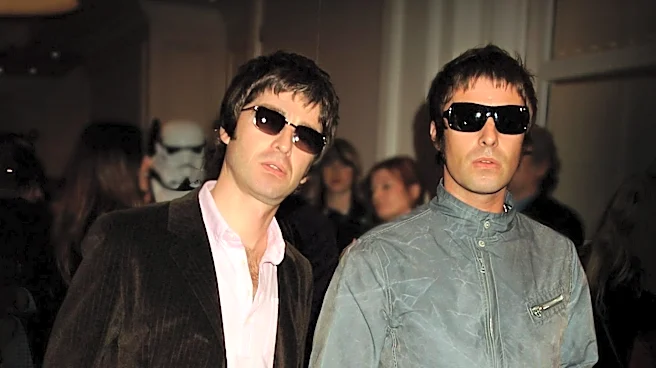
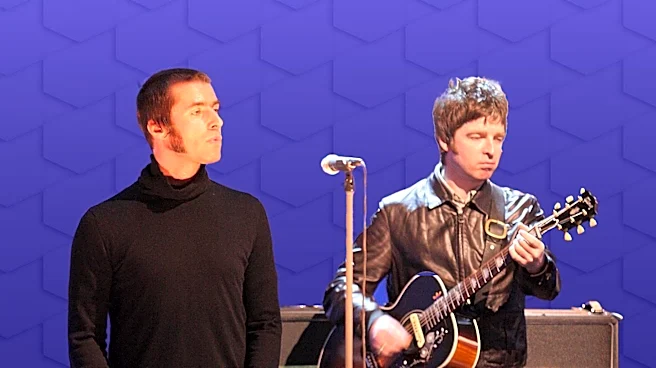
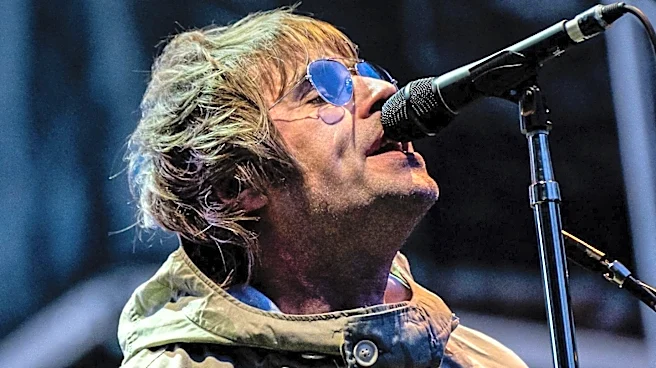
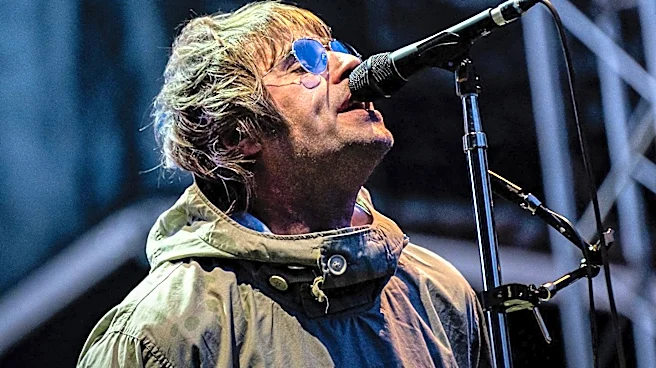
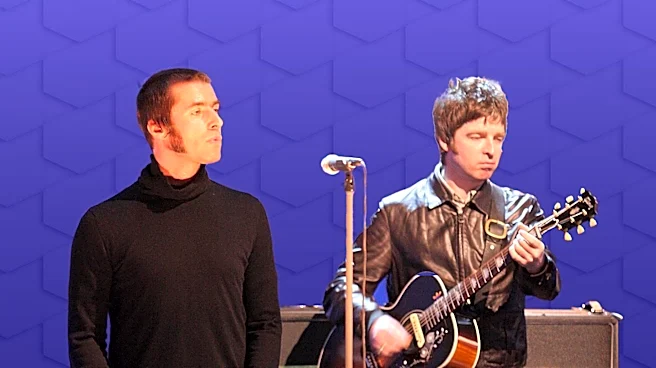
and George Harrison, was contacted by Oasis's office to book studio time for Noel Gallagher. Despite Oasis being a prominent British band, Epps admitted he had not heard their music before the booking. Upon Gallagher's arrival at Wheeler End studio, which Epps had converted into a commercial facility, Epps noted that Gallagher was 'not very friendly' and avoided eye contact. The sessions began with guitarist Paul Stacey, a friend of Epps. However, after a few days, Gallagher decided to pack up, citing concerns that his brother Liam Gallagher would discover their location and potentially cause damage. Epps later found Liam to be more personable, describing him as 'totally brilliant' and one of the best singers he had ever heard.
Why It's Important?
This account offers a rare, behind-the-scenes glimpse into the dynamic and often tumultuous creative process of one of the most influential British bands of the 1990s. Stuart Epps's perspective highlights the contrasting personalities of the Gallagher brothers, which was a significant factor in Oasis's public image and internal conflicts. For fans and music historians, Epps's recollections provide valuable anecdotal evidence that enriches the narrative surrounding the creation of 'Standing on the Shoulder of Giants,' an album that marked a transitional period for the band. The story also underscores the unpredictable nature of working with high-profile artists and the unique challenges producers face in managing creative environments, especially when dealing with strong personalities and inter-band tensions. This insight contributes to a broader understanding of the music industry's operational realities during the Britpop era.
What's Next?
While this story is a retrospective account, it contributes to the ongoing public interest in Oasis and the Gallagher brothers. Such anecdotes often resurface in documentaries, biographies, or anniversary retrospectives of the band's work, potentially sparking renewed discussions among fans and critics about the band's legacy and internal dynamics. For Stuart Epps, sharing these stories could further highlight his extensive career and contributions to music production, potentially leading to more interviews or opportunities to share his experiences. The narrative also reinforces the enduring fascination with the personal relationships within iconic bands, suggesting that any future projects or statements from Noel or Liam Gallagher might be viewed through the lens of these historical interactions, continuing to shape public perception of their individual careers.
Beyond the Headlines
The narrative extends beyond a simple studio anecdote, touching upon the broader cultural impact of Oasis and the Britpop movement. Epps's initial unfamiliarity with Oasis, despite their prominence, illustrates how even within the music industry, awareness can be segmented. The story also subtly highlights the pressures and eccentricities that can accompany immense fame, as evidenced by Noel's concern about Liam's potential reaction. This dynamic between the brothers became a defining characteristic of Oasis, influencing their music, public persona, and eventual dissolution. The account serves as a micro-history of a specific moment in music, reflecting the volatile yet creatively fertile environment that produced some of the era's most memorable albums. It also underscores the often-unseen role of producers like Epps in navigating these complex artistic and personal landscapes to bring music to fruition.