







What's Happening?
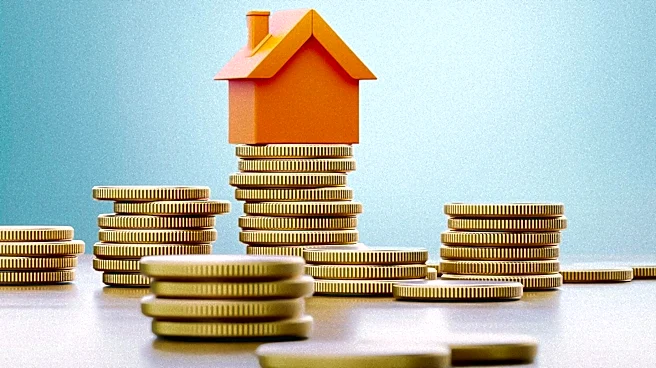
The average 30-year fixed mortgage rate in the United States has risen to 6.49%, up from 6.43% the previous week, according to Freddie Mac. This increase in mortgage rates is contributing to higher borrowing costs for prospective homebuyers. The rise in rates follows
a period earlier this year when the average rate briefly fell below 6% for the first time since late 2022. However, rates climbed again in May, reaching their highest level in nine months. The increase in mortgage rates has been a factor in the decline of home sales this year. Additionally, the average rate for 15-year fixed-rate mortgages, often used for refinancing, also rose to 5.82% from 5.79% last week. Mortgage rates are influenced by several factors, including the Federal Reserve's interest rate policies, bond market investors' expectations for the economy and inflation, and the trajectory of the 10-year Treasury yield.
Why It's Important?
The rise in mortgage rates is significant as it directly affects the affordability of homes for potential buyers. Higher rates can add hundreds of dollars to monthly mortgage payments, reducing the purchasing power of homebuyers. This trend has contributed to a slowdown in home sales, as many potential buyers are sidelined by the increased costs. The housing market has been experiencing a slump since 2022, when mortgage rates began to rise from pandemic-era lows. The ongoing conflict with Iran has also contributed to inflation concerns, pushing up long-term bond yields and, consequently, mortgage rates. This situation poses challenges for the housing market, which is struggling to recover to pre-pandemic levels.
What's Next?
The future trajectory of mortgage rates remains uncertain, particularly in light of the ongoing geopolitical tensions and economic factors influencing inflation and bond yields. Potential homebuyers may continue to face challenges as borrowing costs remain elevated. The housing market may see further declines in sales if rates continue to rise, impacting the broader economy. Stakeholders, including policymakers and real estate professionals, will need to monitor these developments closely to assess their impact on the housing market and the economy at large.