








What's Happening?
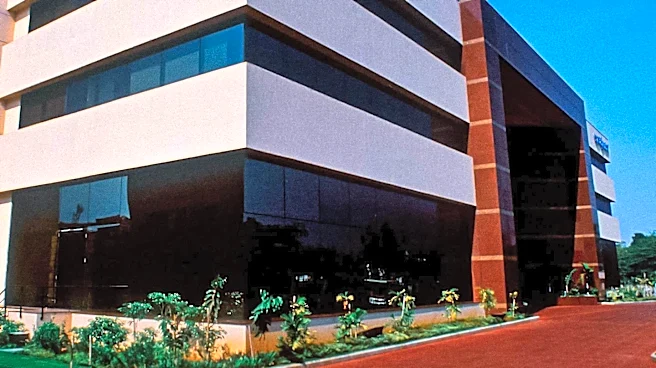
Prime Minister Narendra Modi praised the contributions of young women workers at the newly inaugurated CG Semi Outsourced Semiconductor Assembly and Test (OSAT) facility in Sanand, Gujarat. The plant, built with a significant investment, is part of India's
broader semiconductor mission. Modi highlighted the achievements of women from remote and tribal areas who have joined the workforce, emphasizing their role in advancing India's semiconductor industry. The Prime Minister's interaction with the employees underscored the changing perceptions about women's roles in technology and education in rural areas.
Why It's Important?
The involvement of women from underrepresented regions in the semiconductor industry signifies a shift towards gender inclusivity and empowerment in India's tech sector. This development not only supports the country's goal of technological self-reliance but also challenges traditional gender roles, encouraging more women to pursue careers in STEM fields. The success of such initiatives could lead to broader societal changes, promoting education and employment opportunities for women across India. Additionally, it strengthens India's position in the global semiconductor market, potentially attracting further investments.
What's Next?
As the CG Semi plant continues operations, it is likely to serve as a model for similar projects, promoting gender diversity and inclusion in the tech industry. The government's focus on the semiconductor mission may lead to increased support for training programs and initiatives aimed at empowering women in technology. This could result in a more skilled and diverse workforce, driving innovation and economic growth. The plant's success may also encourage other regions to adopt similar strategies, further integrating women into the tech sector.