





What's Happening?
Lourdes Moreno Cazalla, a scholar in audiovisual communication, discusses the increasing global influence of Spanish in the music industry, particularly through the rise of Latin urban music. She highlights how artists like Bad Bunny and Karol G have
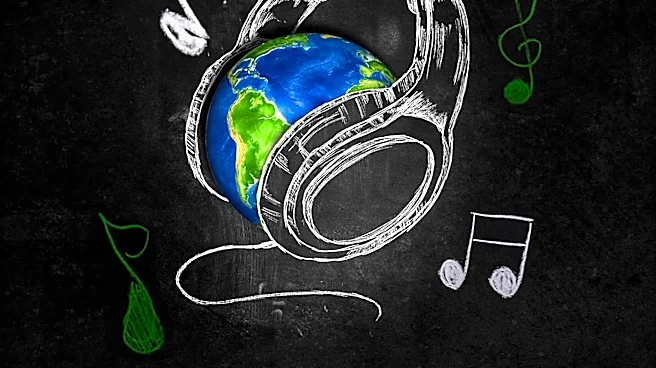
contributed to this trend by breaking into markets traditionally dominated by English-language music. Moreno Cazalla notes that the digital age and platforms like YouTube have democratized music distribution, allowing Spanish-language music to reach wider audiences. This shift is also supported by demographic changes, with the Hispanic population growing significantly in the United States, further boosting the popularity of Spanish-language music.
Why It's Important?
The rise of Spanish in the global music scene represents a significant cultural shift, challenging the dominance of English and promoting linguistic diversity. This trend has economic implications, as it opens new markets and opportunities for artists and record labels. The success of Spanish-language music also reflects broader social changes, including the increasing influence of Hispanic culture in the United States. This development could lead to greater cultural exchange and understanding, as well as increased representation of diverse voices in the global music industry.
Beyond the Headlines
The growing popularity of Spanish-language music raises questions about cultural representation and the role of language in identity. It challenges traditional notions of cultural hierarchy and highlights the power of music as a tool for social change. The success of artists like Bad Bunny also underscores the importance of authenticity and cultural pride in connecting with audiences. As the music industry continues to evolve, the integration of diverse languages and cultures could lead to a more inclusive and representative global cultural landscape.