






What's Happening?
The Mediterranean diet is highly recommended for women navigating menopause, as it supports heart and metabolic health and may help alleviate hot flashes, improve mood, and bolster bone health. This dietary pattern emphasizes whole foods, including plenty
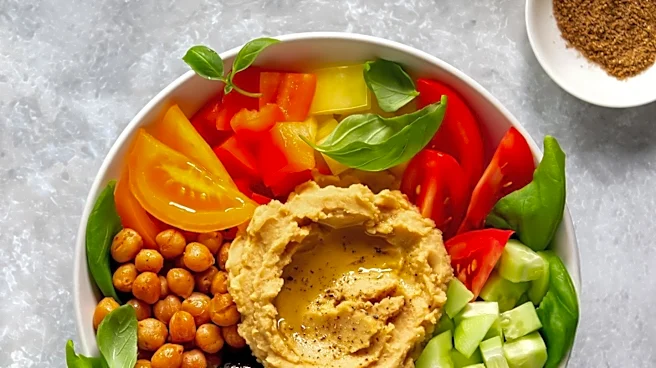
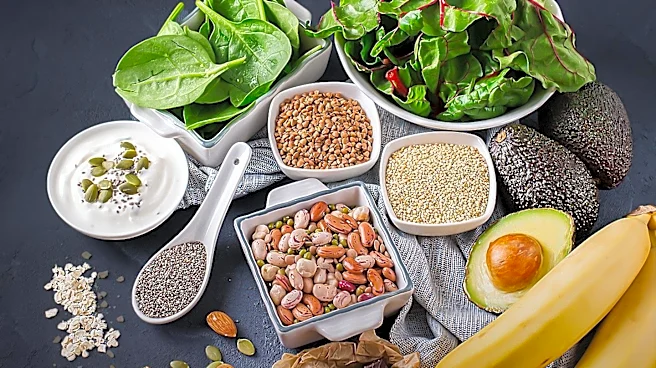
of fish and other non-red-meat proteins, healthy fats like olive oil, nuts, and avocados, and an abundance of fresh fruits and vegetables. Dr. Tes Jordens, a Board-Certified Family Medicine and Obesity Medicine physician and Menopause Society Certified Practitioner, advocates for this eating style, noting its well-studied benefits. The diet's structure typically involves filling half the plate with fiber-rich vegetables, a quarter with protein, a small amount of healthy fat, and the remainder with whole grains or starchy vegetables. This approach helps regulate blood sugar, reduce inflammation, and support gut health, all of which significantly impact mood and overall well-being during midlife.
Why It's Important?
For midlife women in the U.S., adopting the Mediterranean diet offers a proactive strategy for managing menopausal symptoms and promoting long-term health. With cardiovascular disease being a leading cause of mortality and metabolic issues like insulin resistance becoming more prevalent with age, the diet's benefits for heart and metabolic health are crucial. Furthermore, its potential to improve bone health is vital in combating osteoporosis, a common concern post-menopause. By focusing on nutrient-dense, anti-inflammatory foods, this diet can empower women to take control of their health during a significant life transition, potentially reducing reliance on pharmaceutical interventions and improving quality of life. The emphasis on gut health also highlights the interconnectedness of bodily systems, impacting mood and overall vitality.
What's Next?
Healthcare providers, particularly those specializing in women's health and menopause, are encouraged to integrate dietary counseling, specifically promoting the Mediterranean diet, into their patient care. Educational initiatives could help women understand how to implement this eating pattern effectively, focusing on adding beneficial foods rather than strict restriction. Further research could explore the specific mechanisms by which the Mediterranean diet impacts menopausal symptoms and long-term health outcomes, potentially leading to more tailored dietary recommendations. The integration of lifestyle factors like diet, exercise, and sleep, as advocated by Dr. Jordens, suggests a holistic approach to menopausal wellness that could become a standard of care.
Beyond the Headlines
The recommendation of the Mediterranean diet for menopause wellness extends beyond mere physical health, touching upon mental and emotional well-being. The diet's ability to reduce inflammation and support gut health has direct implications for mood regulation, offering a natural approach to combatting mood swings and anxiety often associated with menopause. This holistic perspective challenges the notion that menopause is solely a hormonal issue, emphasizing the profound impact of lifestyle choices. By encouraging women to 'eat to add, not to take away,' the approach fosters a positive relationship with food, promoting sustainable habits rather than restrictive dieting. This cultural shift towards viewing food as medicine and a source of well-being can empower women to embrace aging with vitality and resilience.