





What's Happening?
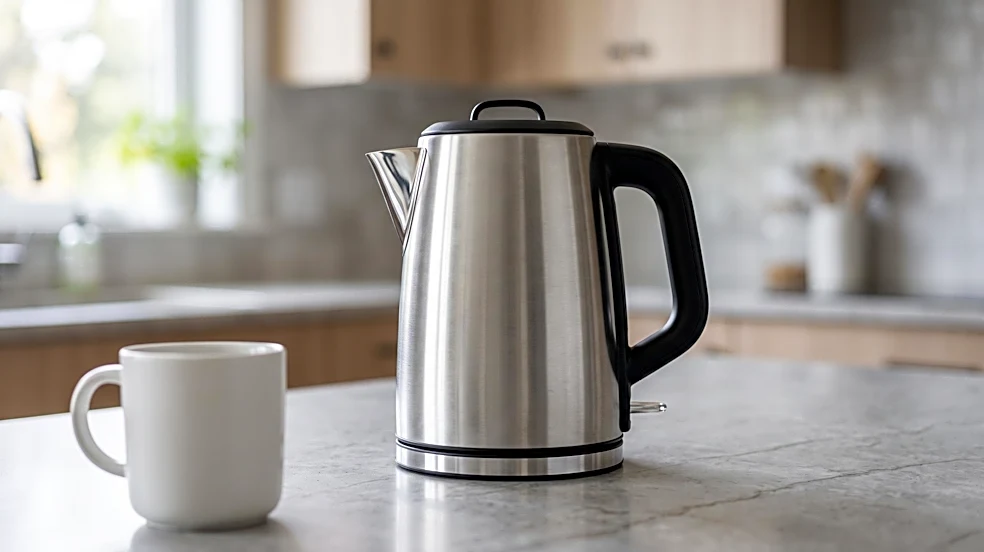
Chinese electric kettle manufacturers aiming to sell their products in both Korea and Japan must obtain separate national safety certifications: the KC mark for Korea and the PSE mark for Japan. These certifications are mandatory and are not interchangeable,
meaning a kettle certified for one market cannot be sold in the other under that same certification. Both systems require accredited third-party testing, an in-country representative, and factory audits. The KC mark, governed by the Korean Agency for Technology and Standards (KATS), applies to higher-risk electrical products like kettles under its Safety Certification tier. Similarly, the PSE mark, overseen by Japan's Ministry of Economy, Trade and Industry (METI), requires the diamond PSE for Specific Electrical Appliances, which also includes kettles. While both systems accept a CB test certificate as part of the technical file, national deviations for voltage and plug configurations must be met, and separate documentation and in-country representation are essential for each market.
Why It's Important?
The stringent and separate certification requirements for Korea and Japan pose significant challenges for U.S. businesses involved in importing or distributing electric kettles manufactured in China. U.S. companies sourcing from Chinese OEMs must ensure their suppliers navigate these complex regulatory landscapes to avoid delays, product recalls, or market access issues. The need for distinct in-country representatives in both Korea and Japan adds layers of logistical and financial complexity, impacting supply chain efficiency and overall product cost. For U.S. consumers, these regulations indirectly affect product availability and pricing, as manufacturers pass on compliance costs. Furthermore, the emphasis on safety standards in these major Asian markets can influence global manufacturing practices, potentially leading to higher quality and safety benchmarks for products that eventually reach the U.S. market, even if not directly subject to KC or PSE.
What's Next?
Chinese electric kettle OEMs intending to enter or expand in the Korean and Japanese markets will need to implement a dual-market approval program, running KC and PSE workstreams in parallel. This involves ensuring their products meet specific national deviations, securing in-country representatives, and preparing separate documentation for each market. For U.S. importers and distributors, the next steps involve closely vetting their Chinese suppliers to confirm their compliance readiness for both certifications. This includes verifying the existence of current CB test certificates with relevant national deviations, established in-country representation, and audit-ready production lines. Failure to adhere to these requirements could result in shipments being refused at customs, leading to significant financial losses and reputational damage. The ongoing evolution of these national safety standards will also necessitate continuous monitoring and adaptation by manufacturers and importers.
Beyond the Headlines
The separate and non-interchangeable nature of the KC and PSE certifications highlights a broader trend of national regulatory sovereignty in product safety, even among economically integrated regions. While international standards like IEC 60335-2-15 provide a common technical basis, national deviations and administrative requirements create distinct market barriers. This fragmentation can impede global trade efficiency and increase compliance burdens for manufacturers, particularly those operating in a globalized supply chain. For U.S. policymakers and trade negotiators, this situation underscores the complexities of harmonizing international trade standards and the persistent challenges in achieving mutual recognition of product certifications. It also raises questions about the balance between national safety prerogatives and the desire for streamlined global commerce, impacting how U.S. businesses engage with international markets.