









What's Happening?
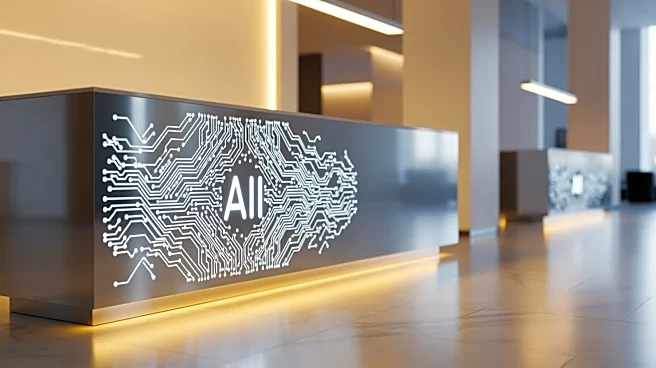
The recent HSMAI (Hospitality Sales and Marketing International) and HITEC (Hospitality Industry Technology Exposition & Conference) events in San Antonio highlighted significant shifts in the hospitality industry, particularly the integration of artificial
intelligence (AI) into hotel operations and guest engagement. These conferences underscored the diminishing lines between sales, marketing, revenue strategy, operations, communications, and technology. AI is increasingly being used to streamline processes such as summarizing RFPs, preparing revenue meeting materials, and analyzing guest feedback. The focus is on creating a connected ecosystem where different departments share intelligence and align around common goals. This integration aims to enhance the guest experience by making it more personal and less automated, while also improving operational efficiency.
Why It's Important?
The integration of AI in the hospitality industry is crucial as it offers a competitive advantage by improving clarity and communication. As travelers increasingly use AI-powered tools to make decisions, hotels that provide clear and consistent information will stand out. This shift requires hotels to have stronger digital foundations and better reputation management. The use of AI also allows hotel staff to focus more on building relationships and solving problems, rather than on repetitive tasks. This can lead to improved guest satisfaction and loyalty, which are vital for the success of any hospitality business. Moreover, the ability to quickly adapt to technological changes can position hotels as leaders in the industry.
What's Next?
As AI continues to evolve, hotels will need to carefully select and integrate new technologies that align with their business goals. This involves establishing clear objectives, creating thoughtful guardrails, and measuring outcomes. The focus should remain on solving real business problems rather than adopting technology for its own sake. Hotels will also need to ensure that their digital content is accurate and relevant, as this will influence how they are perceived by potential guests. The ongoing challenge will be to balance technological innovation with the human touch that is essential in the hospitality industry.
Beyond the Headlines
The adoption of AI in hospitality raises important ethical and cultural considerations. As technology becomes more embedded in guest interactions, there is a risk of depersonalization. Hotels must ensure that AI enhances rather than detracts from the guest experience. Additionally, the increased reliance on technology necessitates robust data governance and security measures to protect guest information. The industry must also consider the potential impact on employment, as automation could change the nature of certain roles. Overall, the successful integration of AI will require a careful balance between innovation and the preservation of the human elements that define hospitality.