




What's Happening?
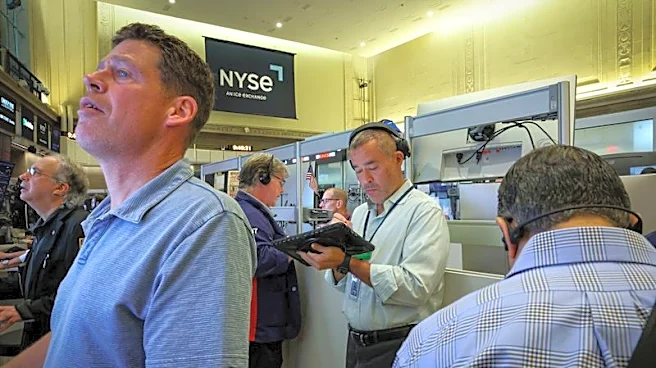
The initial public offering (IPO) market has seen a significant slowdown since the boom of 2021, with many consumer companies choosing to remain private. In 2021, the Nasdaq and New York Stock Exchange saw record numbers of IPOs, but the trend has reversed
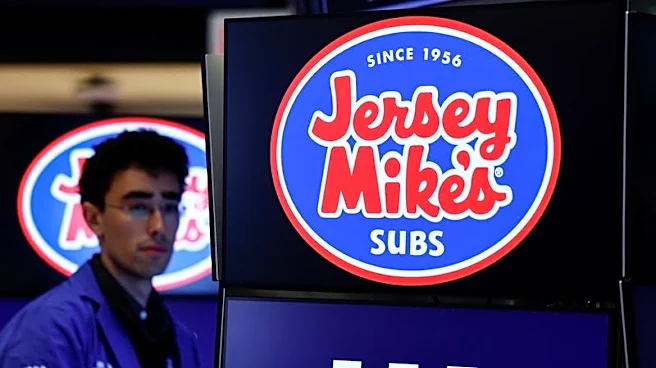
in recent years. This year, only a few consumer and retail companies, such as Jersey Mike's and Reformation, have gone public. Experts attribute this shift to the rise of secondary markets and a stronger liquidity environment, which allow companies to access capital without going public. The current market conditions and regulatory environment are also less favorable for IPOs, prompting companies to delay or reconsider their public offering plans.
Why It's Important?
The decision of many companies to stay private has significant implications for the public markets and investors. It reduces the number of investment opportunities available to public market investors and may impact the overall market dynamics. The trend also reflects broader changes in the financial landscape, where private capital is increasingly accessible, and companies can achieve liquidity without the scrutiny and regulatory requirements of public markets. This shift could lead to a reevaluation of how companies approach growth and capital raising, potentially influencing the future of the IPO market and the structure of financial markets.
What's Next?
As companies continue to evaluate their options, the IPO market may see further changes. If market conditions improve and regulatory environments become more favorable, more companies might consider going public. However, the continued growth of secondary markets and private capital could sustain the trend of companies staying private longer. Investors and market analysts will be watching for any shifts in market conditions or regulatory changes that could impact the IPO landscape. The actions of major companies and their decisions regarding public offerings will also be key indicators of future trends.