




What's Happening?
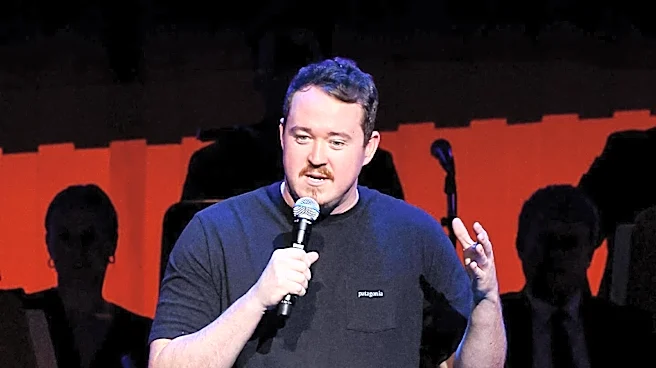
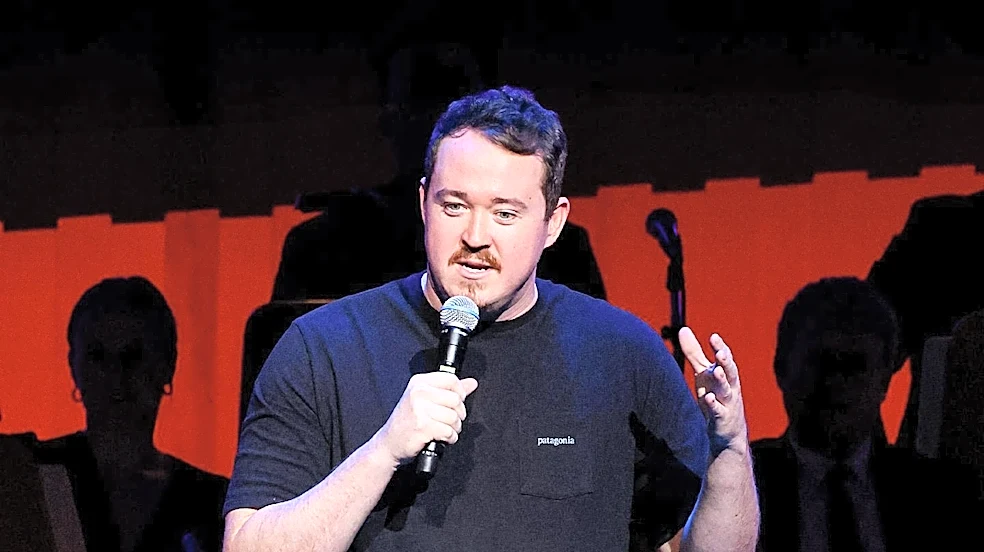
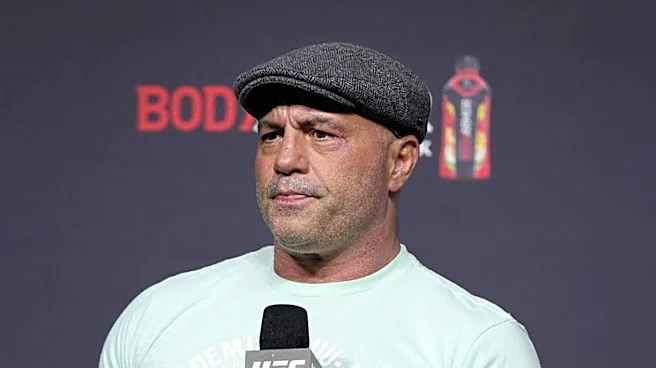
Podcaster Joe Rogan has publicly defended comedian Shane Gillis following a controversial joke made during Gillis's Saturday Night Live (SNL) monologue. Gillis's remarks, which centered on women filming themselves in revealing attire at public gyms, sparked
significant backlash and accusations of misogyny from some segments of the public. Rogan addressed the controversy on his podcast, acknowledging that while genuine misogyny exists, Gillis's comments were intended as a joke and did not reflect a true hatred of women. Rogan also criticized what he termed the 'word police,' arguing against the strict policing of language and defending the use of words like 'whore' in certain contexts, even applying it to himself in a past professional decision. This defense comes as Gillis, known for his politically incorrect humor, continues to navigate public reactions to his comedic style.
Why It's Important?
This incident highlights ongoing debates surrounding freedom of speech, comedic expression, and political correctness in contemporary U.S. society. Joe Rogan's defense of Shane Gillis underscores a broader cultural tension between those who advocate for unrestricted comedic boundaries and those who prioritize sensitivity and accountability for potentially offensive content. The controversy also reflects the significant influence of platforms like SNL and 'The Joe Rogan Experience' in shaping public discourse and the immediate, widespread impact of viral content. For comedians, it raises questions about the evolving landscape of acceptable humor and the potential career repercussions of controversial jokes. For audiences, it prompts discussions about the interpretation of humor, the role of intent versus impact, and the boundaries of what is considered offensive in public entertainment.
What's Next?
The immediate aftermath will likely involve continued discussion and debate across social media and news outlets regarding Gillis's joke and Rogan's defense. Comedians and cultural commentators may weigh in, further polarizing opinions or offering nuanced perspectives on the role of humor in society. Shane Gillis will likely continue to perform, potentially incorporating the backlash into future material, as is common for comedians. The incident could also influence how SNL approaches guest hosts and comedic content in the future, potentially leading to more scrutiny or, conversely, a reinforcement of its commitment to diverse comedic voices. For Joe Rogan, his stance is consistent with his established brand, and this defense will likely resonate with his existing audience while potentially drawing further criticism from those who disagree with his views on free speech and humor.
Beyond the Headlines
Beyond the immediate controversy, this event touches upon deeper societal shifts regarding moral authority and censorship. The 'word police' phenomenon, as Rogan described it, reflects a growing trend where public figures are held to increasingly strict linguistic standards, often leading to rapid public condemnation. This can stifle creative expression and lead to self-censorship among artists and performers. Conversely, the push for greater accountability in language stems from a desire to create more inclusive and respectful public spaces, particularly for marginalized groups. The tension between these two perspectives reveals a fundamental disagreement about the balance between individual expression and collective social responsibility. This ongoing cultural negotiation will continue to shape the landscape of entertainment, media, and public discourse in the U.S., influencing what is considered acceptable, humorous, and offensive.