





What's Happening?
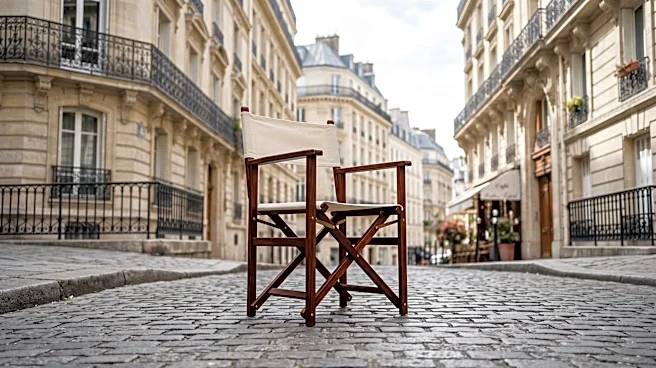
Paris continues to be a highly sought-after location for filmmakers, both French and international, hosting 6,570 shooting days in 2025, a figure comparable to pre-2024 Olympic Games levels. The city's iconic landmarks and diverse neighborhoods provide
a unique backdrop that has attracted directors for decades. Foreign filmmakers like Woody Allen, Christopher Nolan, Sofia Coppola, and Martin Scorsese have utilized Paris to create distinct cinematic experiences, from the romanticized city in 'Midnight in Paris' to the vertiginous perspectives in 'Inception' and the historical grandeur of Versailles in 'Marie Antoinette'. French directors, including Cédric Klapisch and François Truffaut, have also deeply integrated Paris into their narratives, often treating the city as a central character or exploring its various facets, from its bustling streets to its quieter suburbs. The city's appeal extends beyond its aesthetics, offering a vibrant film culture with numerous festivals and educational opportunities.
Why It's Important?
The sustained popularity of Paris as a filming location underscores its significant cultural and economic impact on the global film industry. For U.S. filmmakers and production companies, Paris offers not only visually rich settings but also access to a robust film infrastructure and a deep pool of talent. This continued engagement fosters international collaborations and cultural exchange, potentially influencing cinematic trends and storytelling across borders. The city's ability to attract diverse projects, from Hollywood blockbusters to independent films, highlights its versatility and enduring allure. Economically, these productions bring investment, create jobs, and boost tourism, as film enthusiasts often visit locations featured in their favorite movies. The presence of film schools like EICAR, which offers English-taught programs, further solidifies Paris's role as a hub for aspiring international filmmakers, contributing to the future of global cinema.
What's Next?
Paris is expected to maintain its status as a leading film destination, with ongoing efforts to support film production and education. The city's calendar is packed with film festivals almost every month, providing continuous opportunities for students and filmmakers to engage with the industry. Institutions like EICAR, the International Film & Television School in Paris, will continue to offer programs in English, attracting a global student body. These educational initiatives, coupled with the city's cultural institutes, will likely foster new international collaborations and co-productions. The consistent flow of film projects, both domestic and international, suggests that Paris will remain a dynamic environment for cinematic innovation and cultural storytelling, further cementing its legacy in the world of cinema.
Beyond the Headlines
The enduring appeal of Paris in cinema reflects a deeper cultural phenomenon: the city's ability to embody diverse narratives and evoke powerful emotions. Beyond its picturesque facade, filmmakers often explore the city's complex layers, from its historical grandeur to its contemporary social dynamics. This cinematic portrayal contributes to Paris's global identity, shaping perceptions and inspiring countless visitors. The interplay between the city's physical spaces and the stories told within them creates a rich cultural tapestry, where landmarks become characters and streets become stages for human drama. This continuous artistic interpretation ensures that Paris remains not just a city, but a living, evolving muse for artists worldwide, influencing global culture and artistic expression.