





What's Happening?
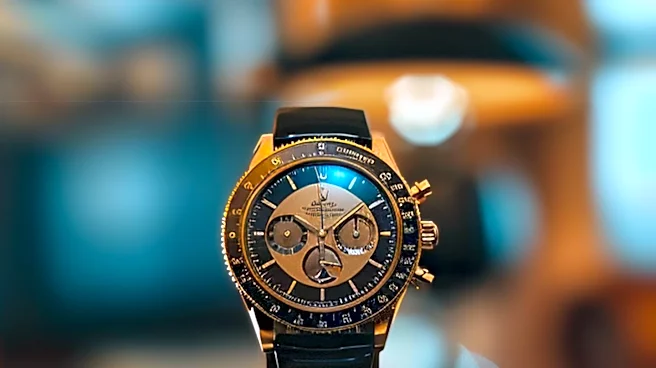
The luxury watch industry is experiencing a significant shift towards smaller case sizes, a trend that aligns with Cartier's long-standing design philosophy. For the past two decades, the market was dominated by oversized watches, with cases often exceeding
40 millimeters. However, a reversal began in the latter half of the 2010s, driven by a renewed interest in vintage watches and their more compact proportions. This shift accelerated in the early 2020s, coinciding with the resurgence of Cartier and a growing appreciation for shaped, jewelry-like designs. Brands across the industry, from high-end manufacturers like Piaget and Vacheron Constantin to those historically known for larger timepieces such as IWC, Breitling, and Panerai, are now introducing smaller and more compact models. For instance, IWC, once known for its substantial Pilot’s Watches, now offers a 35-millimeter Ingenieur Automatic, and Panerai, famous for its 44-millimeter Luminor, has introduced a 40-millimeter Luminor Quaranta and a 38-millimeter Luminor Due. This trend is evident in sales data, with unit sales of watches between 10 and 30 millimeters growing significantly on platforms like Watchfinder & Co.
Why It's Important?
This industry-wide pivot towards smaller watch cases has several important implications for the U.S. luxury market and consumer preferences. Firstly, it reflects a broader evolution in fashion and personal style, where watches are increasingly viewed as accessories that blend timepiece functionality with jewelry and fashion statements. This move away from overtly masculine, large watches suggests a more nuanced and inclusive approach to design, appealing to a wider demographic. For brands, adapting to this trend is crucial for maintaining relevance and market share. Cartier's consistent success, with an estimated CHF 3.5 billion in watch sales in 2025, demonstrates the commercial viability of this aesthetic. The shift also impacts the resale market, as evidenced by the Cartier Tank Française's strong performance in the under-30-millimeter category. This trend could lead to a re-evaluation of existing product lines, manufacturing processes, and marketing strategies across the U.S. watch industry, potentially fostering innovation in compact movement technology and design.
What's Next?
The luxury watch industry is expected to continue embracing and expanding its offerings of compact watches. This will likely involve more brands introducing downsized versions of their popular models and developing new collections specifically designed with smaller cases and jewelry-inspired aesthetics. We may see further innovation in watch movements to accommodate these smaller dimensions without compromising performance. Marketing efforts will likely highlight the versatility and fashion-forward appeal of these watches, positioning them as deliberate style choices rather than compromises. The resale market will continue to be a key indicator of consumer demand for these smaller timepieces, potentially influencing future production and investment decisions by watch manufacturers. As the trend matures, there could be a greater emphasis on customization and unique materials to differentiate offerings within the compact watch segment, further solidifying its place in the luxury market.
Beyond the Headlines
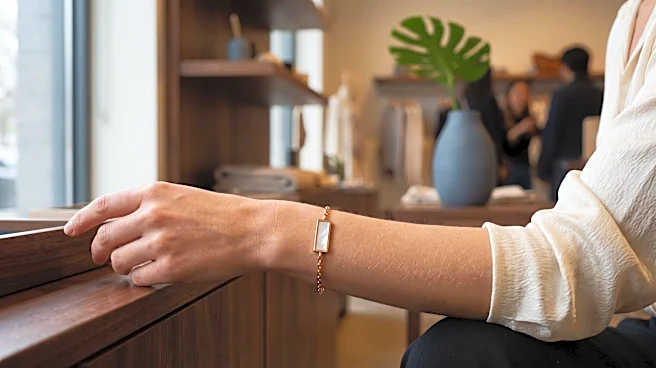
Beyond the immediate commercial implications, the shift towards smaller watch cases reflects a deeper cultural re-evaluation of luxury and gender norms. The historical association of large watches with masculinity is being challenged, allowing for a more fluid and diverse interpretation of what constitutes a desirable timepiece. This trend suggests a move towards understated elegance and personal comfort over ostentatious display. It also highlights the enduring influence of vintage aesthetics and the cyclical nature of fashion, where classic designs are reinterpreted for contemporary tastes. The emphasis on watches as 'jewelry' rather than purely 'equipment' could also lead to a greater focus on artisanal craftsmanship, precious materials, and intricate detailing, elevating the artistic value of timepieces. This evolution could foster a more inclusive and diverse luxury watch community, where personal expression and refined taste take precedence over traditional size conventions.