








What's Happening?
Eli Lilly has announced plans to file for approval of its next-generation obesity drug, retatrutide, in early 2027. The decision to delay the filing from an earlier timeline is due to the need for additional time to collect and verify manufacturing and quality-control
data. Retatrutide has shown promising results in Phase 3 trials, with significant weight loss and improvements in blood sugar levels in adults with obesity and related complications. The drug targets multiple hormones, including GLP-1, GIP, and glucagon, setting it apart from existing treatments. Analysts estimate that retatrutide could generate substantial sales by 2030.
Why It's Important?
The development of retatrutide represents a significant advancement in the treatment of obesity, a condition affecting a large portion of the U.S. population. Eli Lilly's focus on multi-hormone targeting could offer a more effective solution for weight management, potentially improving patient outcomes and reducing healthcare costs associated with obesity-related diseases. The delay in filing for approval highlights the complexities of drug development and the importance of ensuring rigorous quality standards. For Eli Lilly, successfully bringing retatrutide to market could strengthen its position in the competitive obesity drug market and drive future growth.
What's Next?
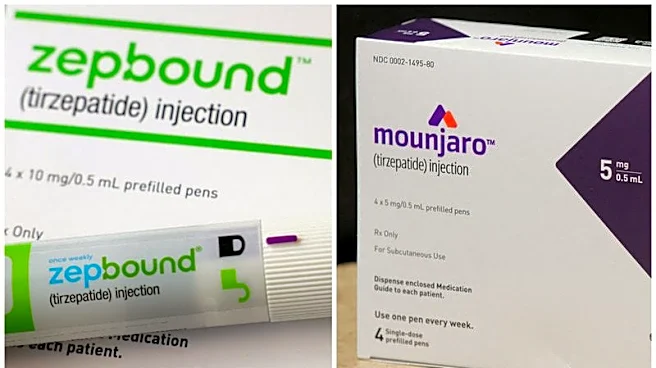
As Eli Lilly prepares for the regulatory filing, the company will continue to focus on gathering the necessary data to support retatrutide's approval. The pharmaceutical industry will be watching closely for updates on the drug's progress and potential market impact. If approved, retatrutide could become a key component of Eli Lilly's obesity portfolio, complementing existing products like Zepbound and Foundayo. The company's ability to navigate regulatory challenges and effectively market the drug will be crucial in determining its success in the competitive landscape.