

What's Happening?
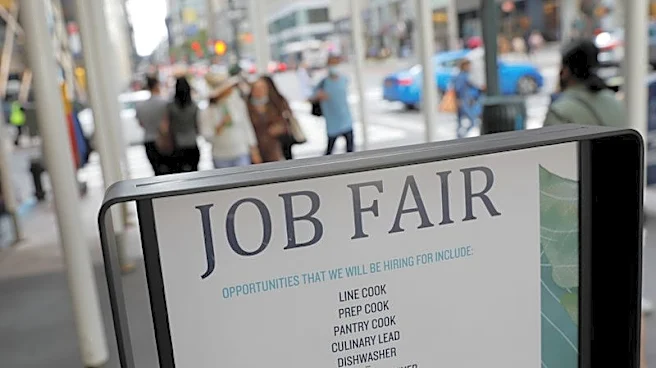
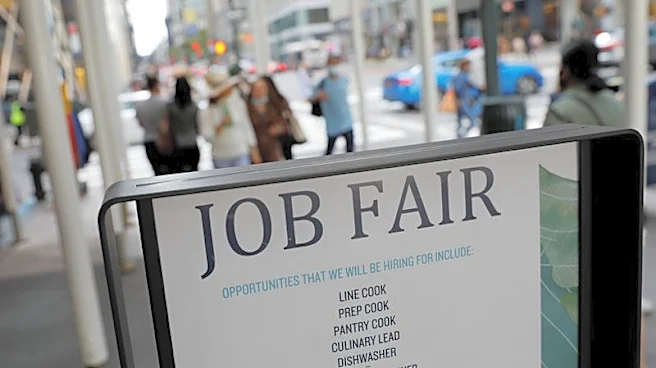
The U.S. economy experienced a significant setback in July as it lost 23,000 jobs, contrary to economists' expectations of an 85,000 job gain. This marks the second contraction in the labor market this year. Despite the job losses, the unemployment rate
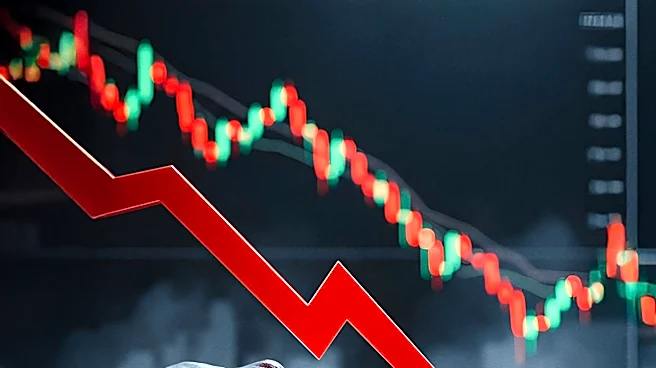
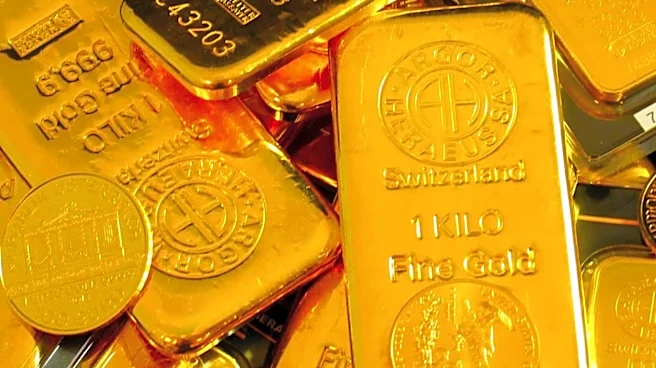
fell slightly to 4.1% from June's 4.2%, a change attributed to a shrinking workforce. The disappointing job data has led to a surge in gold prices, which rose nearly 3% to $4,363.70 an ounce. Analysts suggest that the weak labor market data may limit the Federal Reserve's ability to raise interest rates, even amidst ongoing inflation concerns. The report also revised down job numbers for May and June, further highlighting the labor market's struggles.
Why It's Important?
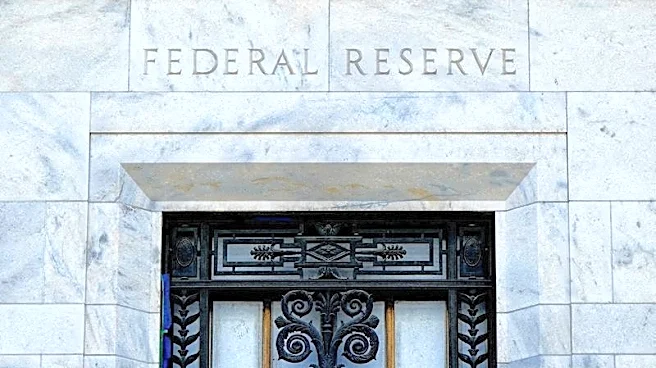
The unexpected job losses in July have significant implications for the U.S. economy and monetary policy. The labor market's weakness could deter the Federal Reserve from raising interest rates, which would typically be a response to combat inflation. This situation benefits gold investors, as lower interest rates tend to increase the appeal of non-yielding assets like gold. The revised job numbers for previous months and muted wage growth further complicate the economic outlook. The Federal Reserve faces a challenging environment where it must balance inflation control with supporting a fragile labor market. The upcoming Consumer Price Index (CPI) release will be crucial in shaping future monetary policy decisions.
What's Next?
The Federal Reserve's next steps will be closely watched, particularly in light of the upcoming CPI data. If inflation continues to rise, the Fed may face increased pressure to raise rates, despite the weak job market. However, the current job data suggests that the Fed might hold off on rate hikes in the near term. This decision will have broad implications for financial markets, as interest rate expectations influence stock and bond markets. Investors and economists will be keenly observing the Fed's response to these mixed economic signals, as it will set the tone for economic policy in the coming months.