




What's Happening?
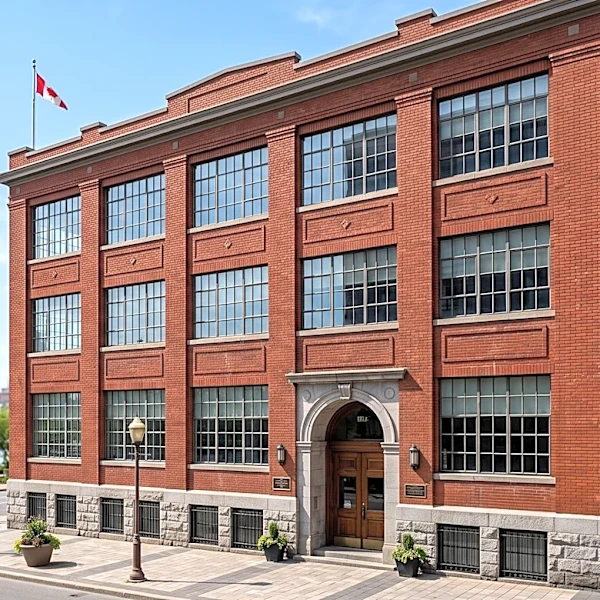
Wellness & Spa Solutions, a company primarily operating in the Middle East, North Africa, and Asia, is encountering significant engineering challenges when retrofitting heritage buildings in Europe, particularly Italy, for luxury hospitality and hydrothermal
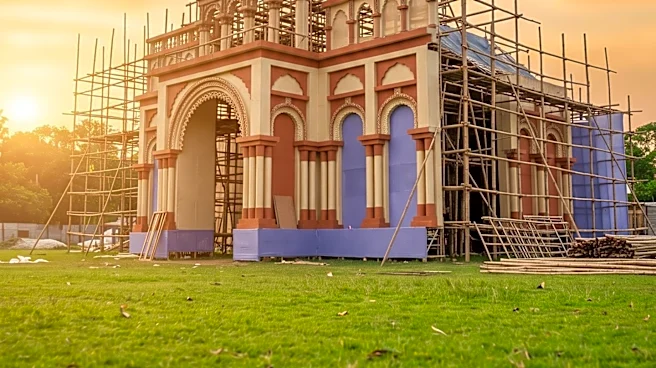
projects. Unlike new constructions where spatial grids and load capacities are customizable, historic structures present fundamental design constraints. The company must balance technical innovation with architectural conservation. A primary hurdle involves structural diagnostics and weight management, as heritage buildings' original timber beams, vaulted brickwork, or stone foundations were not designed to support the substantial static loads introduced by modern hydrothermal features like hydrotherapy pools or thermal basins. Solutions often require localized structural reinforcement or the use of lightweight modular vessel construction to distribute weight without stressing fragile masonry.
Why It's Important?
This development highlights a growing trend in the wellness and hospitality sectors: the repurposing of historic properties for modern wellness facilities. While offering unique aesthetic appeal and historical context, this trend presents complex engineering and preservation challenges. The need for specialized structural diagnostics and innovative construction methods underscores the technical expertise required to integrate contemporary amenities into ancient frameworks. This impacts the construction and engineering industries, requiring new skill sets and approaches. For the hospitality sector, successfully converting heritage sites into wellness destinations can create unique, high-value offerings, but it also necessitates significant investment and careful planning to ensure structural integrity and historical authenticity. The challenges faced by Wellness & Spa Solutions are indicative of broader issues in urban development and heritage conservation, where modern demands intersect with the need to preserve historical architecture.
What's Next?
As the demand for unique wellness experiences continues to grow, more heritage buildings are likely to be considered for such conversions. This will drive further innovation in structural engineering and architectural conservation techniques. Companies like Wellness & Spa Solutions will need to continue developing specialized methodologies for assessing and reinforcing historic structures. There may also be an increased need for collaboration between heritage conservation experts, structural engineers, and wellness facility designers to navigate these complex projects successfully. Regulatory bodies in regions with rich architectural heritage may also need to adapt or develop new guidelines to ensure that such retrofits are conducted safely and respectfully, preserving the historical integrity of these valuable assets while allowing for their modern use.
Beyond the Headlines
The retrofitting of heritage buildings for wellness facilities touches upon deeper themes of sustainability and adaptive reuse. Instead of new construction, which can be resource-intensive, repurposing existing structures reduces environmental impact and preserves cultural heritage. However, it also raises questions about the authenticity of historical spaces when modern interventions are introduced. The delicate balance between functionality, modern comfort, and historical preservation becomes a critical ethical consideration. Furthermore, the economic viability of such projects often depends on attracting a clientele willing to pay a premium for unique experiences, which can influence the accessibility and inclusivity of these wellness spaces. The engineering challenges are not just technical; they are intertwined with cultural values, economic pressures, and the long-term stewardship of architectural legacies.