






What's Happening?
NASCAR has updated its rulebook to permit teams to replace front brake rotors and pads after practice and qualifying sessions, specifically starting at Phoenix Raceway. This decision comes in response to a series of brake failures experienced by multiple
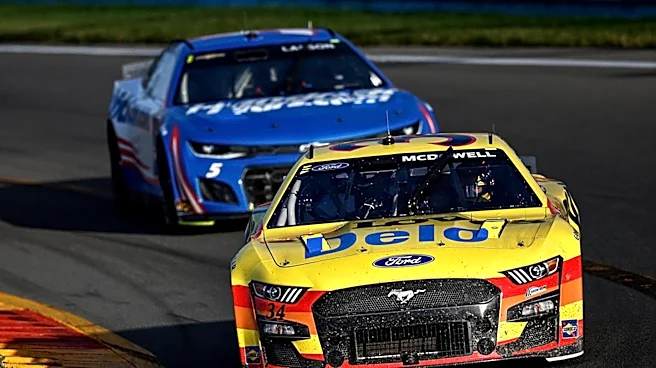
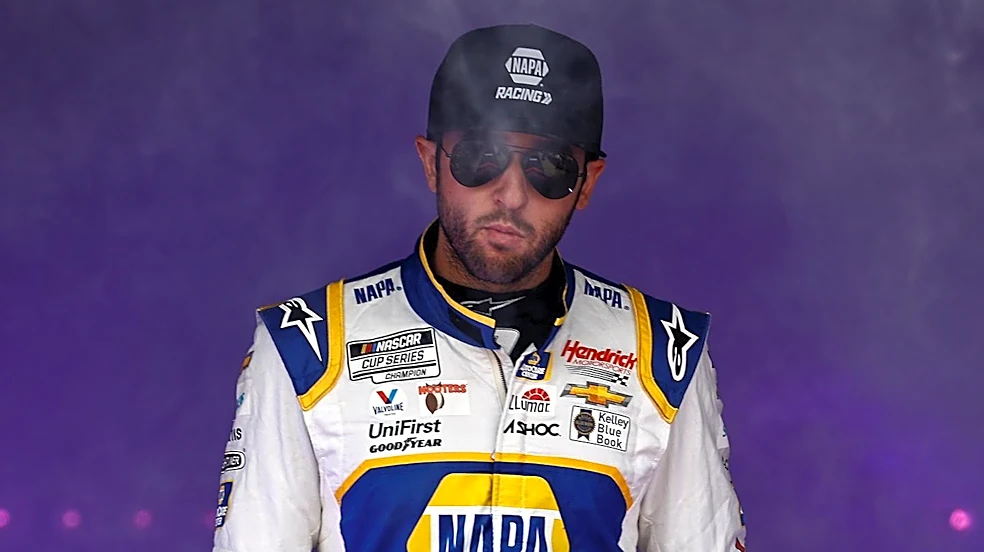
drivers throughout the season. Notably, at World Wide Technology Raceway in September, Chase Elliott, Ryan Blaney, and Chris Buescher were forced out of the event due to exploding brake rotors. Elliott's incident also involved Chase Briscoe. Other drivers, including Zane Smith and Noah Gragson, also encountered similar brake issues. Earlier in August, Joe Gibbs Racing teammates Chase Briscoe and Denny Hamlin reported brake problems during practice at Iowa, leading to a partial allowance for rotor changes but not pads. The recurring nature of these failures, particularly when brakes become super-hot and then cool during red flag periods, has prompted this rule modification to enhance safety and competitive fairness.
Why It's Important?
This rule change is significant for NASCAR as it directly addresses a critical safety concern that has impacted high-profile races and championship contenders. The allowance for brake component replacement after practice and qualifying could prevent catastrophic failures during races, thereby protecting drivers and maintaining the integrity of the competition. For teams, this provides a crucial opportunity to mitigate risks associated with brake wear and overheating, which have previously led to unexpected retirements and accidents. Drivers like Chase Elliott, who have been directly affected by these failures, stand to benefit from increased reliability and a fairer chance to compete without mechanical setbacks. The previous restrictions on brake changes had created a dilemma for teams, forcing them to race with potentially compromised equipment or face penalties for unauthorized modifications. This new flexibility acknowledges the extreme conditions under which these components operate and prioritizes safety and performance.
What's Next?
The immediate next step is the implementation of this new rule at Phoenix Raceway, where teams will be allowed to change front brake rotors and pads after Saturday's practice and qualifying. NASCAR will continue to monitor rear rotor issues on a case-by-case basis during Sunday's pre-race adjustments. This change is expected to be a permanent fixture in the rulebook, potentially influencing race strategies and car setups as teams can now push their brake systems harder during practice knowing they can replace critical components. The racing community will be observing the impact of this rule on race outcomes and driver safety. It is anticipated that this adjustment will lead to fewer brake-related incidents, allowing for more competitive racing and reducing the risk of early exits for top contenders.
Beyond the Headlines
Beyond the immediate safety and competitive implications, this rule change highlights NASCAR's responsiveness to driver and team feedback regarding critical equipment issues. The previous rigid stance on brake components, despite repeated failures, had raised questions about the balance between standardization and practical safety concerns. This adjustment could set a precedent for future rule modifications, indicating a more flexible approach to technical regulations when safety and fair competition are at stake. It also underscores the intense engineering and material science challenges in motorsports, where components are pushed to their absolute limits. The ongoing dialogue between sanctioning bodies, teams, and manufacturers will be crucial in evolving safety standards and ensuring the sport remains both thrilling and secure for its participants.