






What's Happening?
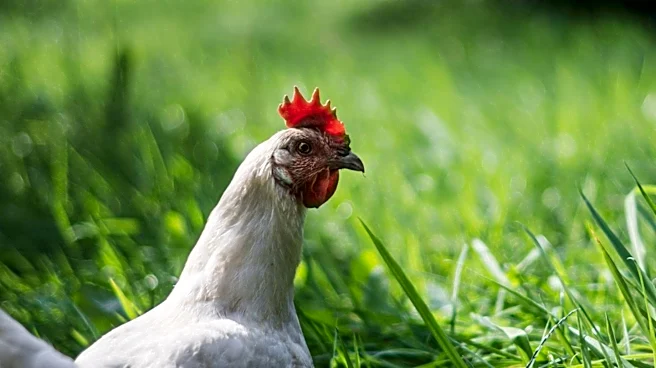
Chickens played a crucial role in early American farms, particularly during the mid-19th century. They were valued for their versatility, ease of care, and ability to provide a steady source of food and income. As settlers moved west, chickens were among
the most practical livestock to transport, requiring minimal space and resources. They provided fresh eggs and meat, and their economic role extended to being traded for goods and supplies. In recent years, there has been a resurgence in backyard chicken farming, reflecting their historical importance and continued practical benefits.
Why It's Important?
The historical significance of chickens in American agriculture highlights their role in supporting pioneer families and contributing to the nation's agricultural development. Their resurgence in modern times underscores a growing interest in sustainable food production and a connection to agricultural heritage. This trend reflects broader societal shifts towards self-sufficiency and local food sourcing, which can impact food systems and consumer behavior. The continued popularity of backyard chickens also suggests potential opportunities for small-scale farming and local economies.
Beyond the Headlines
The resurgence of backyard chickens may influence urban agriculture policies and community planning, as more people seek to raise chickens in residential areas. This trend could lead to increased demand for resources and support for small-scale poultry farming. Additionally, the cultural and educational aspects of raising chickens may foster a greater appreciation for agriculture and food production among urban populations.