









What's Happening?
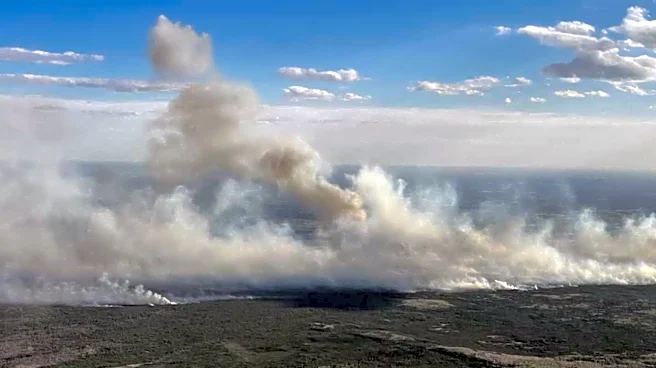
The World Cup final between Spain and Argentina in New Jersey is facing challenges due to smoke from Canadian wildfires and severe weather conditions. The smoke has reduced visibility and affected air quality across the northeastern U.S., including New York
and New Jersey. Thunderstorms have also caused disruptions, with warnings of damaging winds and flash flooding. Despite these conditions, experts predict improvements in air quality and weather for the final match.
Why It's Important?
The environmental conditions surrounding the World Cup final highlight the broader impact of climate change and extreme weather events on major international events. The smoke and storms have raised concerns about player safety and spectator experience, emphasizing the need for contingency planning and adaptive measures in event management. This situation underscores the importance of addressing climate-related challenges in sports and other large-scale gatherings.
What's Next?
Organizers are closely monitoring the situation and coordinating with local authorities to ensure the safety of players and spectators. The air quality is expected to improve, allowing the final to proceed as planned. However, ongoing monitoring and adjustments may be necessary to address any lingering effects of the smoke and weather conditions.