





What's Happening?
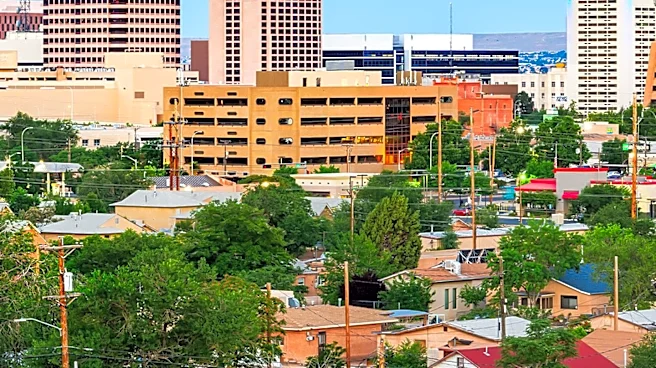
New Mexico has designated 65 census tracts across 22 of its 33 counties for the federal Opportunity Zone (OZ) program. These tracts, which include areas in Bernalillo, McKinley, Chaves, Doña Ana, and Otero counties, have been submitted to the U.S. Department
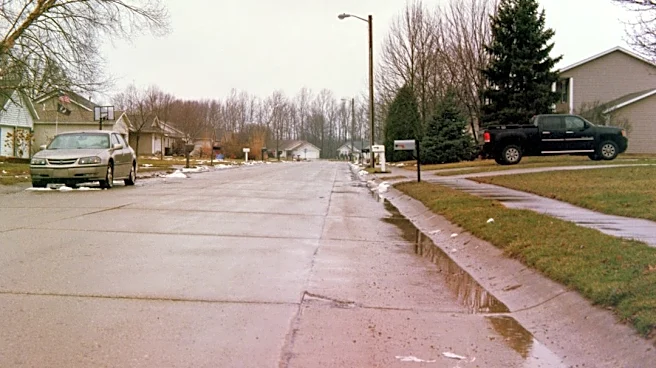
of the Treasury for federal designation. The selected areas are predominantly rural, with over 55% being rural, and more than 90% have poverty rates exceeding 20%. Approximately 230,000 New Mexicans, representing nearly 11% of the state's population, reside within these designated tracts. Eight of the selected tracts also encompass portions of Tribal areas. The New Mexico Economic Development Department (EDNM) collaborated with the state's seven regional Councils of Government and local authorities to identify these zones, focusing on local needs and development opportunities. The federal government has since announced that all 65 tracts proposed by New Mexico have been included in the national OZ 2.0 designations.
Why It's Important?
This initiative is crucial for New Mexico as it aims to direct private investment into communities that have historically struggled to attract new development. The Opportunity Zone program offers tax incentives for investors who re-invest their capital gains into designated low-income communities. By attracting private capital, these zones are expected to foster new businesses, create jobs, and stimulate economic growth in underserved areas. The inclusion of Tribal areas within these zones also presents significant opportunities for economic development and investment in these communities. The program's success could lead to a reduction in poverty rates and an improvement in the overall economic well-being of nearly 11% of New Mexico's population, addressing long-standing economic disparities within the state.
What's Next?
With the federal designation confirmed, New Mexico will now focus on promoting these Opportunity Zones to potential investors. The New Mexico Economic Development Department will likely continue to provide information and support to businesses and investors interested in utilizing the program's incentives. The success of this program will depend on the state's ability to effectively market these zones and facilitate investment. Monitoring the impact of these investments on job creation, poverty reduction, and overall economic development in the designated tracts will be a key next step for state and local authorities. The program's long-term effects will be observed as investments materialize and contribute to the revitalization of these communities.
Beyond the Headlines
The Opportunity Zone program, while designed to spur economic development in distressed areas, has also faced scrutiny regarding its effectiveness and potential for gentrification. In New Mexico, the focus on rural and high-poverty areas, including Tribal lands, highlights an effort to address deep-seated economic challenges. The ethical implications of tax incentives for investors in these communities will be a continuous point of discussion, ensuring that the benefits are genuinely realized by the local populations and not solely by external investors. The program's success in New Mexico could serve as a model for other states grappling with similar issues of regional economic inequality and the need for targeted investment in underserved communities.