







What's Happening?
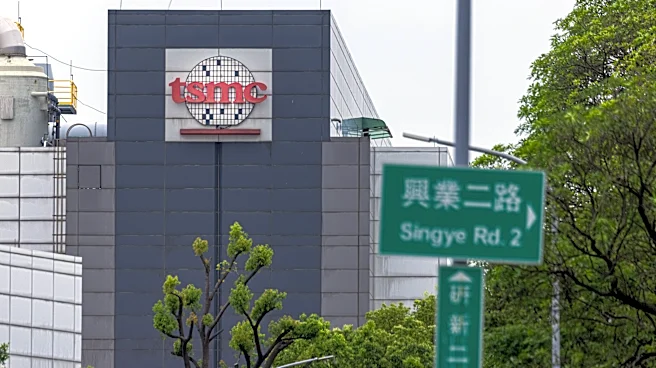
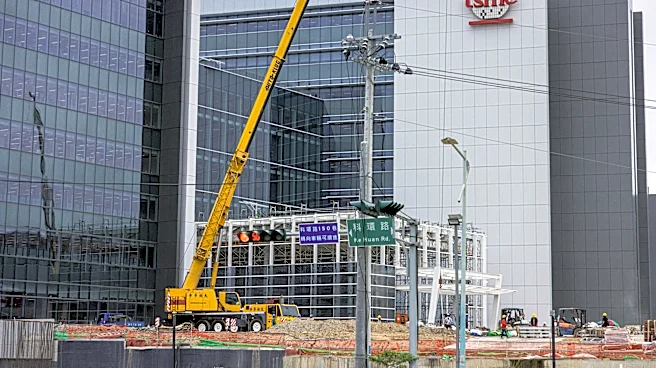
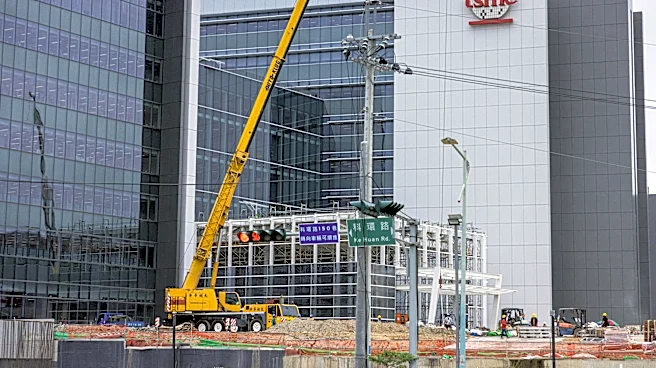
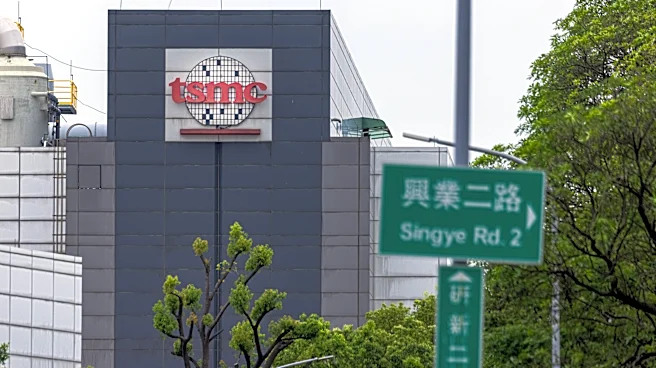
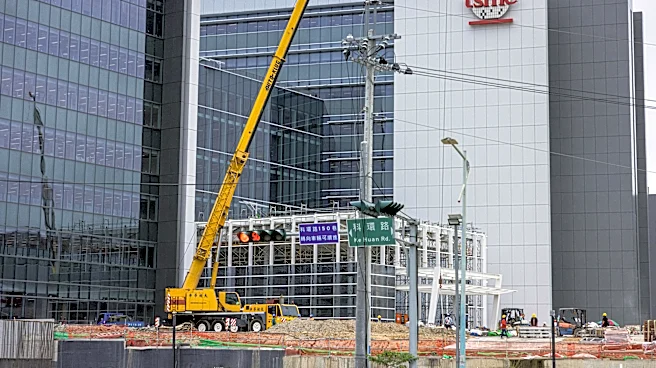
President Trump is scheduled to travel to Arizona on December 4 to attend the groundbreaking ceremony for the fifth phase of Taiwan Semiconductor Manufacturing Co.'s (TSMC) expansion in Phoenix. This event highlights TSMC's significant investment in U.S.
chipmaking, which has now reached a total pledged amount of $265 billion. The expansion aims to address supply chain vulnerabilities and meet the growing demand for computer chips, particularly those used in artificial intelligence. While President Trump has attributed these investments to his tariff policies, construction for TSMC's Arizona facilities began during President Joe Biden's administration. The bipartisan CHIPS and Science Act, signed into law by President Biden, has also provided financial support for the project. The White House anticipates that this expansion will generate 10,000 direct jobs and an additional 11,000 indirect jobs within the broader community, adding to the more than 12,000 construction jobs already at the site.
Why It's Important?
This expansion by TSMC is crucial for bolstering the U.S. domestic semiconductor manufacturing capacity, a strategic imperative given Taiwan's current dominance in chip production and the associated supply chain risks. By increasing chip production within the United States, the nation aims to reduce its reliance on foreign manufacturers, thereby enhancing national security and economic resilience. The substantial job creation, both direct and indirect, will provide significant economic benefits to Arizona and the wider U.S. economy. Furthermore, the investment underscores the critical role of advanced semiconductors in the burgeoning artificial intelligence sector, positioning the U.S. to be a key player in this rapidly evolving technological landscape. The bipartisan support, evidenced by the CHIPS and Science Act, highlights a shared understanding across political lines regarding the importance of domestic chip production.
What's Next?
The groundbreaking for the fifth phase of TSMC's Arizona expansion signals continued progress in the U.S. effort to onshore semiconductor manufacturing. Future developments will likely involve the ongoing construction and eventual operationalization of these new facilities, leading to the creation of the projected 10,000 direct and 11,000 indirect jobs. The increased domestic chip production is expected to gradually reduce U.S. dependence on overseas supply chains, potentially stabilizing prices and ensuring a more reliable supply for critical industries. The success of this project could also encourage further foreign direct investment in high-tech manufacturing within the U.S., reinforcing the nation's position as a global technology leader. Additionally, the focus on AI-driven chip demand suggests a continued push for innovation in this sector.
Beyond the Headlines
The TSMC expansion in Arizona represents more than just an economic investment; it signifies a strategic shift in global supply chain dynamics and national security. The push for domestic chip manufacturing reflects a broader geopolitical concern about technological independence and resilience in the face of international tensions. This initiative could set a precedent for other critical industries to consider reshoring production, potentially leading to a more diversified and secure global manufacturing landscape. The emphasis on AI-specific chips also highlights the increasing integration of artificial intelligence into various aspects of society and the economy, making the control over its foundational technology a matter of national interest. The project also underscores the complex interplay between government policy, corporate investment, and technological advancement in shaping the future of the U.S. economy.