



What's Happening?
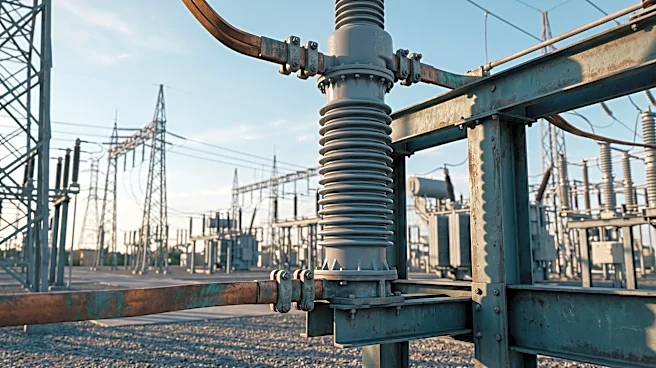
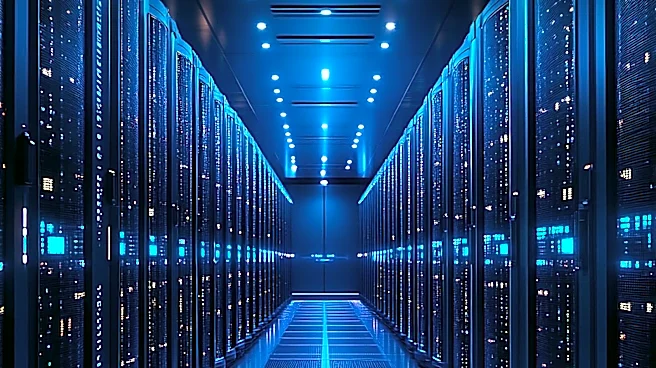
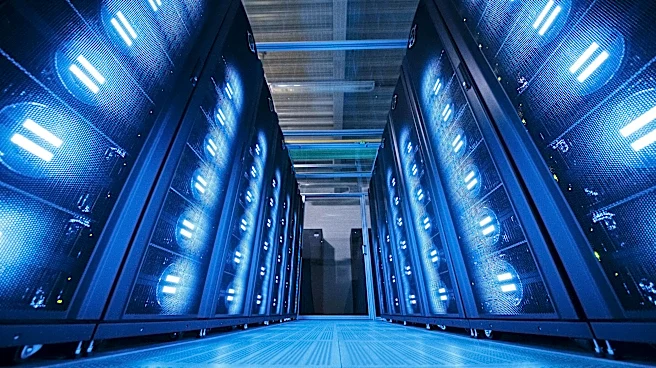
Several major U.S. grid operators, including PJM, MISO, CAISO, NYISO, and ISO New England, have submitted plans to the Federal Energy Regulatory Commission (FERC) aimed at expediting the connection of data centers and other large energy consumers to the power
grid. These submissions are a direct response to show-cause orders issued by FERC in June. PJM's proposal, for instance, introduces a 'Fast Energization Process' designed to study large loads and new generation concurrently within a single one-year timeframe, which is approximately twice as fast as current procedures. Additionally, some operators have suggested offering cheaper, non-firm service for loads willing to reduce their energy consumption during periods of high grid stress. This initiative comes as data center electricity usage has seen a significant surge, with one utility reporting a 59% increase in the third quarter, highlighting the growing strain on existing energy infrastructure.
Why It's Important?
The rapid expansion of data centers, driven by increasing demand for artificial intelligence and digital services, is placing unprecedented pressure on the U.S. energy grid. The proposed changes to grid hookup processes are crucial for supporting the continued growth of the technology sector and ensuring reliable power supply for these energy-intensive facilities. Faster energization processes could reduce development timelines and costs for data center operators, potentially attracting more investment and fostering innovation in AI and cloud computing. Conversely, the reliance on non-firm service for some loads indicates a potential vulnerability, as these facilities might face service interruptions during peak demand. The outcome of these FERC filings will significantly impact the operational efficiency and expansion capabilities of data centers, influencing the broader digital infrastructure landscape and the economic competitiveness of regions hosting these facilities.
What's Next?
FERC will review the submitted plans from PJM, MISO, CAISO, NYISO, and ISO New England. The commission's decisions will determine the new regulatory framework for connecting large loads, particularly data centers, to the grid. Stakeholders, including utility companies, data center developers, and energy consumers, will closely monitor these developments. The implementation of faster energization processes and the adoption of non-firm service options could lead to a more dynamic and responsive energy market. However, it will also necessitate careful planning and investment in grid upgrades to manage the increased load and ensure grid stability. The success of these initiatives will be critical in balancing the growing energy demands of the digital economy with the need for a resilient and reliable power infrastructure.
Beyond the Headlines
The push to accelerate data center grid connections underscores a fundamental tension between technological advancement and infrastructure capacity. The energy demands of AI and data processing are rapidly outstripping traditional grid planning and development cycles. This situation raises broader questions about energy policy, environmental sustainability, and the future of power generation. The potential for non-firm service highlights a shift towards more flexible energy consumption models, which could incentivize demand-side management and the integration of renewable energy sources. Furthermore, the regulatory response to this challenge could set precedents for how other energy-intensive industries are integrated into the national grid, influencing long-term energy strategies and the development of smart grid technologies. The decisions made now will have lasting implications for both the digital economy and the nation's energy future.