




What's Happening?
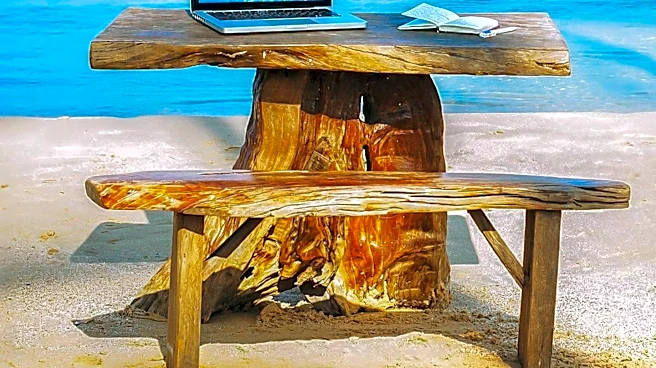
Outsite Bali is providing coliving and coworking accommodations specifically designed for digital nomads and remote workers in Indonesia. These spaces aim to blend tropical living with modern conveniences, offering comfortable accommodations, dedicated
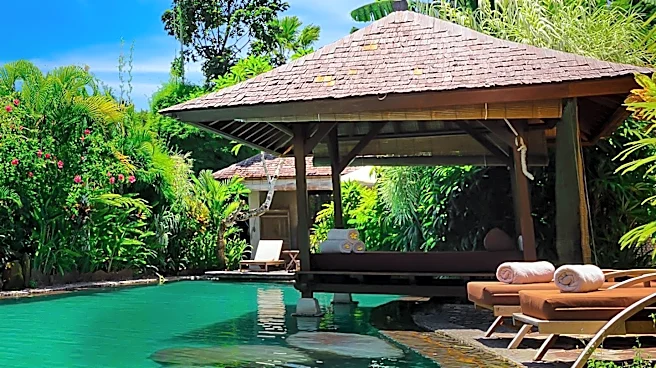
coworking areas, and communal spaces to foster community among residents. Outsite operates two main locations in Bali: Outsite Bali - Pererenan, which is described as a serene workspace with fast WiFi, a swimming pool, and private rooms with kitchenettes, located near Canggu with access to cafes, beaches, and coworking spaces. The second location, Outsite Bali - Ubud, is a coliving and coworking retreat situated amidst rice terraces, catering to digital nomads and creatives by combining wellness, community, and productivity. The initiative focuses on creating an environment where remote workers can easily connect with peers and maintain a productive work-life balance while experiencing Bali.
Why It's Important?
The emergence and expansion of specialized coliving and coworking spaces like Outsite Bali are significant for the growing global digital nomad community. These facilities address key challenges faced by remote workers, such as finding reliable internet, suitable workspaces, and a sense of community in new locations. For U.S. digital nomads, these options provide a structured and supportive environment that can ease the transition to working abroad, offering amenities that might be difficult to secure independently. This trend also highlights the increasing demand for flexible living and working arrangements, influencing the hospitality and real estate sectors to adapt to the needs of this mobile workforce. The availability of such spaces can attract more remote workers to destinations like Bali, contributing to local economies through increased tourism and long-term stays.
What's Next?
As the digital nomad lifestyle continues to gain popularity, it is likely that more coliving and coworking spaces will emerge globally, including in other popular destinations for U.S. remote workers. Outsite Bali's model may inspire similar developments, leading to increased competition and diversification of services within this niche market. Future developments could include more specialized offerings tailored to specific types of remote workers, such as those focused on wellness, adventure, or particular industries. Additionally, there may be an increased focus on integrating local cultural experiences and sustainable practices into these coliving environments. The success of these models could also influence policy discussions around digital nomad visas and long-term residency options in various countries, potentially making it easier for U.S. citizens to live and work abroad.
Beyond the Headlines
The rise of coliving and coworking spaces like Outsite Bali reflects a broader societal shift towards remote work and a more flexible, location-independent lifestyle. This trend challenges traditional notions of work and residency, fostering a global community of professionals who prioritize experience and flexibility. Beyond the practical benefits, these spaces can facilitate cross-cultural exchange and collaboration, as individuals from diverse backgrounds live and work together. However, it also raises questions about the impact on local communities, including potential gentrification and the preservation of local culture. The long-term implications include a redefinition of urban planning, housing markets, and even national immigration policies as countries increasingly vie to attract this mobile talent pool. The ethical considerations around sustainable tourism and equitable development in popular digital nomad hubs will also become more prominent.