




What's Happening?
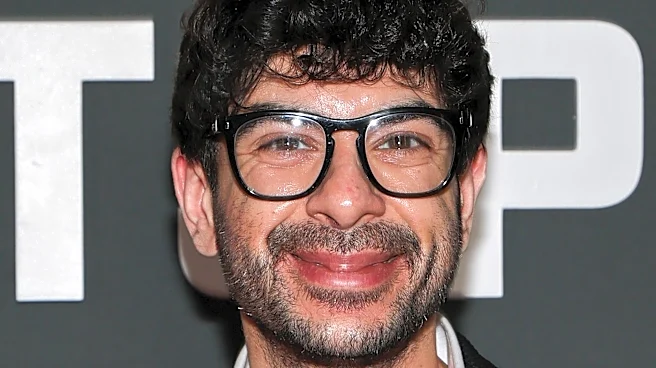
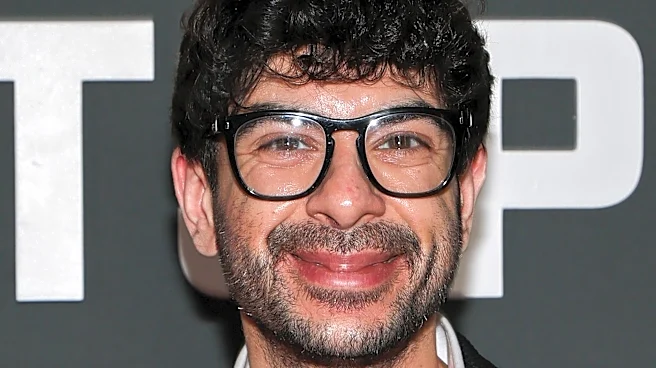
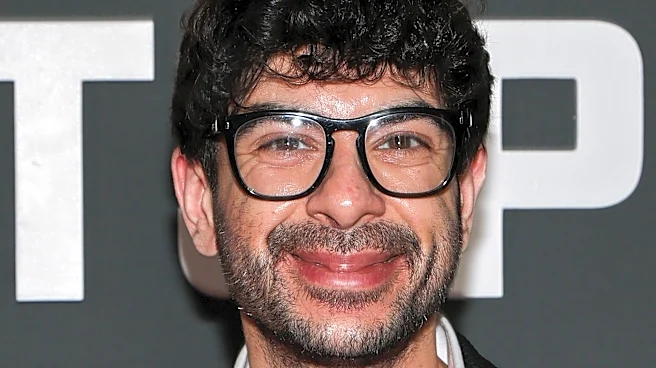
AEW President and CEO Tony Khan utilized private aviation to ensure his wrestling stars arrived in Phoenix, Arizona, for the Full Gear pay-per-view event. This decision came after a nationwide ground stop at all U.S. airports on Friday, which caused widespread
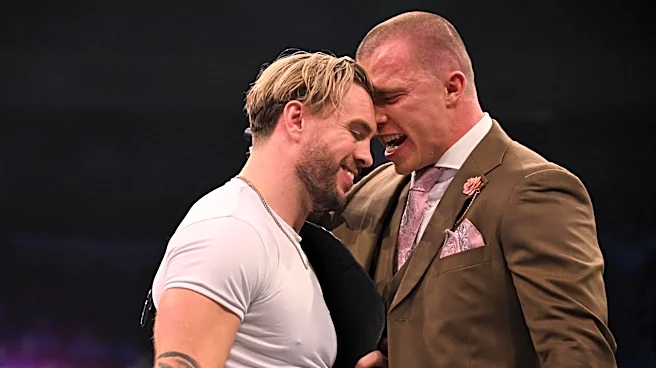
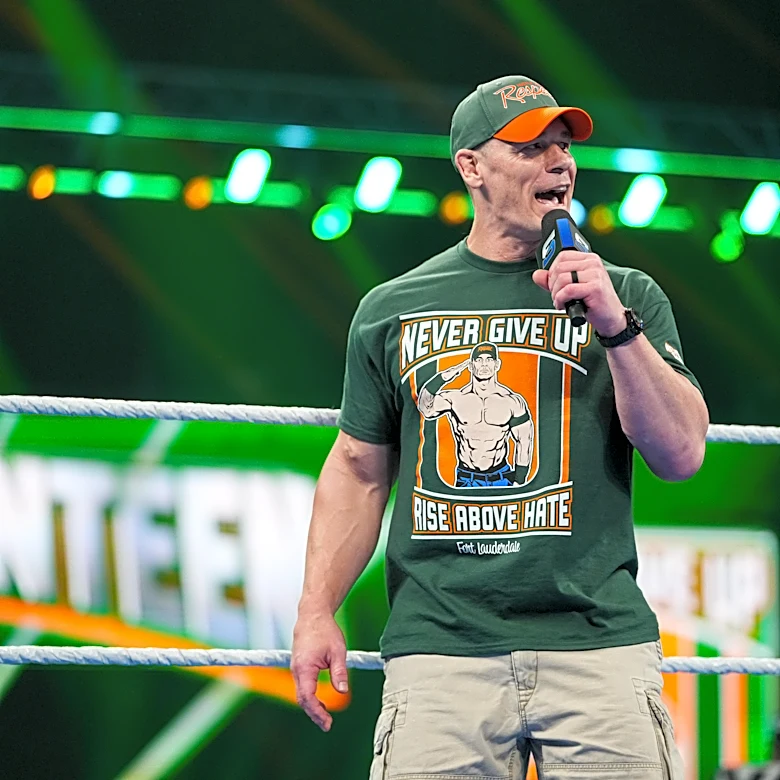
flight cancellations and travel disruptions. Khan initiated arrangements for private planes as soon as the travel block was lifted, anticipating that commercial flights would be unreliable. His foresight proved crucial, as many commercial flights for wrestlers scheduled to appear at Full Gear were indeed canceled. While some talent had already arrived, two individuals, Maya World and Renee Paquette, were unable to make it to the event despite Khan's efforts. The event proceeded successfully, culminating in the crowning of three new champions: The New Level & Swerve Strickland (World Trios Championship), Wrathlander (Harley Cameron and Kris Statlander – Women's World Tag Team Championship), and Ilja Dragunov (National Championship). Khan detailed these measures during the Full Gear post-show media scrum, emphasizing the importance of ensuring his talent's safe and timely arrival.
Why It's Important?
This event highlights the significant logistical challenges faced by large-scale entertainment productions, particularly those involving extensive travel for numerous personnel. Khan's proactive decision to secure private aviation underscores the financial and operational commitments companies are willing to make to ensure their events proceed as scheduled, especially for high-stakes pay-per-view broadcasts. The incident also sheds light on the broader impact of national travel disruptions on various industries, demonstrating how even a temporary ground stop can necessitate extraordinary measures to maintain business continuity. For AEW, ensuring the presence of its top stars at a major event like Full Gear is critical for fan satisfaction, broadcast quality, and revenue generation. The successful execution of the event, despite the travel hurdles, reinforces the organization's capability to adapt to unforeseen circumstances and protect its brand reputation. This situation could influence future contingency planning for similar organizations that rely heavily on air travel for their talent and crew.
What's Next?
Following the successful execution of Full Gear, AEW will likely continue to monitor national travel advisories and potentially refine its contingency plans for future events. The experience gained from navigating this nationwide ground stop could lead to more formalized protocols for talent transportation during widespread travel disruptions. While immediate changes to travel policies are not explicitly stated, the effectiveness of private aviation in this scenario may encourage its consideration for critical personnel in future high-priority events. The company will also focus on the storylines and rivalries established or advanced at Full Gear, leading into upcoming episodes of 'AEW Dynamite' and other programming. The newly crowned champions will begin their reigns, setting the stage for new challenges and narratives within the promotion. The broader wrestling community and other entertainment industries may also observe AEW's response as a case study in managing logistical crises.
Beyond the Headlines
The reliance on private aviation by AEW President Tony Khan during a national travel crisis points to a broader trend in high-value industries where time-sensitive operations and the presence of key individuals are paramount. This incident subtly highlights the disparity in travel options available to different segments of society during widespread disruptions. While the general public faced significant delays and cancellations, organizations with substantial resources could circumvent these issues through private means. This raises questions about equity in access during national emergencies and the operational resilience of various sectors. Furthermore, it underscores the economic value placed on individual talent in the entertainment industry, where the cost of private jets is justified by the potential revenue loss from a compromised event. The event also serves as a reminder of the intricate logistics involved in live entertainment, often unseen by the audience, and the constant need for adaptability in a world prone to unexpected disruptions.