
What's Happening?
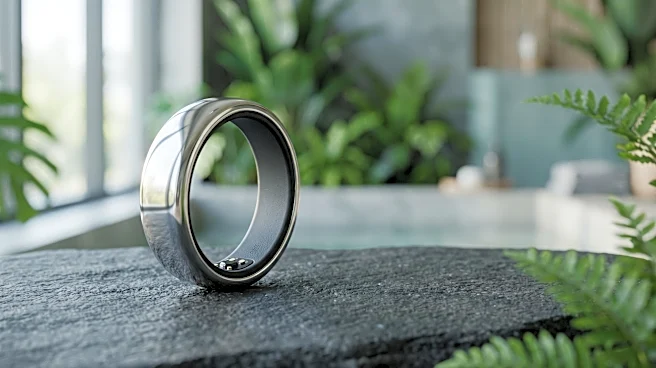
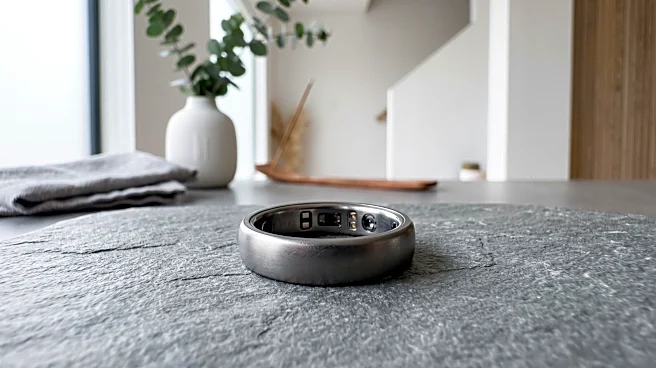
The Circular Ring 2, a smart ring, is positioned as an advanced health monitor capable of screening for signs of sleep apnea. It continuously tracks blood oxygen saturation (SpO2), heart rate variability
(HRV), respiratory rate, and sleep stages using photoplethysmography (PPG) sensors. The device also includes an on-demand ECG feature with an FDA-cleared AFib algorithm. While it cannot definitively diagnose sleep apnea, it aims to provide sufficient data to prompt users to seek medical consultation. The ring's continuous SpO2 monitoring, unlike periodic checks, allows for the detection of oxygen desaturation patterns indicative of sleep apnea. A 2025 systematic review cited in the source indicates smart ring SpO2 accuracy comparable to medical-grade pulse oximeters, and sleep stage detection sensitivity between 93-96%. The Circular Ring 2 offers all its health features without requiring a monthly subscription, making it a cost-effective option for continuous health monitoring.
Why It's Important?
The emergence of devices like the Circular Ring 2 is significant for public health, particularly in addressing the high rate of undiagnosed sleep apnea, which affects an estimated 1 billion people worldwide with 80% of cases remaining undetected. The traditional diagnostic method, overnight polysomnography in a sleep lab, is often expensive, inconvenient, and intimidating, creating barriers to diagnosis. By offering an accessible, continuous screening tool, smart rings can empower individuals to identify potential sleep apnea symptoms early, leading to earlier medical intervention. This could reduce long-term health complications associated with untreated sleep apnea, such as cardiovascular stress and fragmented sleep. The no-subscription model also lowers the financial barrier to entry, potentially increasing adoption among a broader population and shifting the paradigm of proactive health management from reactive treatment.
What's Next?
The increasing accuracy and capabilities of smart rings like the Circular Ring 2 suggest a future where personal wearable technology plays a more prominent role in preliminary health screening. As these devices become more sophisticated, there may be increased collaboration between wearable tech companies and healthcare providers to integrate data from these devices into patient care pathways. Further clinical validation and regulatory approvals for specific screening capabilities could enhance their credibility and utility in medical contexts. Consumers can expect more advanced features and improved accuracy in future iterations, potentially leading to even more precise early detection of various health conditions. The trend towards subscription-free models may also put pressure on other health tech companies to reconsider their pricing structures, making advanced health monitoring more accessible.
Beyond the Headlines
The rise of smart rings as health screening tools raises broader questions about the decentralization of healthcare and the role of personal data in medical decisions. While these devices offer convenience and continuous monitoring, they also place more responsibility on individuals to interpret data and seek professional medical advice when necessary. There are ethical considerations regarding data privacy and security, especially as more sensitive health information is collected and processed by consumer devices. The distinction between 'screening' and 'diagnosis' is crucial; while smart rings can flag potential issues, they do not replace professional medical evaluation. This shift could lead to a more informed patient population, but also requires clear communication from manufacturers about the limitations of their devices to prevent misinterpretation or self-diagnosis, ensuring that technology complements, rather than replaces, professional medical care.