





What's Happening?
Skincare experts are urging consumers to exercise caution regarding viral skincare trends, many of which are promoted on social media. They emphasize that not all popular practices are beneficial and some can even be detrimental to skin health. Instead
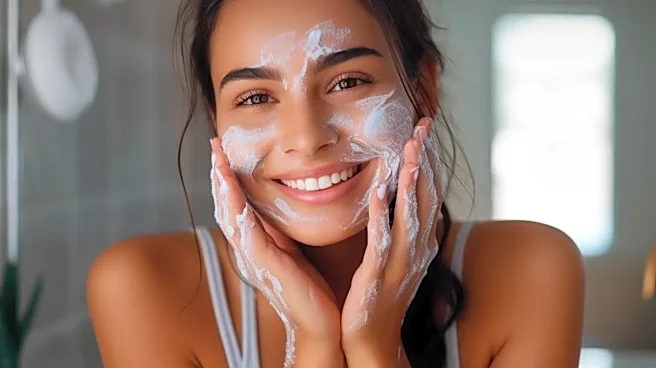
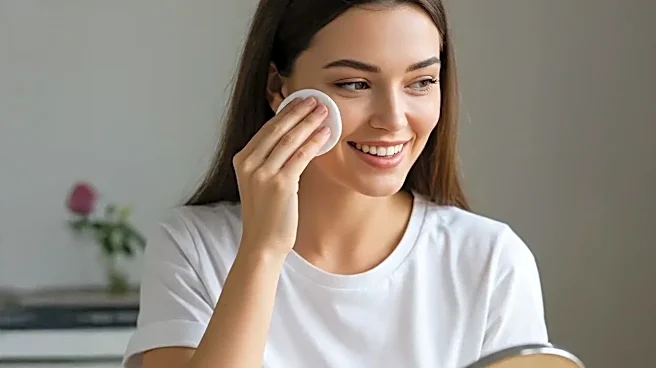
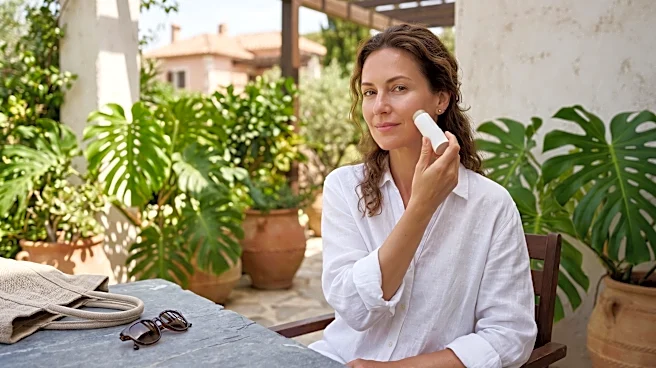
of unverified hacks like facial taping for wrinkles or aggressive exfoliation for a 'glass glow,' dermatologists recommend focusing on evidence-informed habits. These include consistent sun protection, proper cleansing, adequate moisturization, and the use of dermatologist-recommended dermal ingredients. The advice highlights that layering multiple active ingredients without guidance, using DIY household ingredients, or relying on supplements solely because they are trending can lead to irritation, compromised skin barriers, or simply ineffective results. The core message is to prioritize a simple, consistent routine tailored to individual skin needs over chasing instant, unproven anti-aging solutions.
Why It's Important?
This guidance from skincare experts is crucial in an era dominated by social media, where unverified beauty hacks can quickly gain traction and mislead consumers. The proliferation of viral trends poses a significant risk to public health, as improper skincare practices can lead to skin damage, increased sensitivity, and exacerbate existing conditions. By advocating for a return to fundamental, scientifically-backed skincare principles, experts aim to protect consumers from potential harm and promote long-term skin health. This emphasis on sun protection, proper cleansing, and moisturization underscores their foundational role in preventing premature aging and maintaining skin integrity. The caution against unverified supplements and excessive active ingredients also highlights the importance of personalized care and professional consultation, rather than a one-size-fits-all approach driven by trends. This shift in focus can empower consumers to make more informed decisions, leading to healthier skin and potentially reducing the demand for ineffective or harmful products.
What's Next?
Consumers are advised to critically evaluate viral skincare trends and consult with dermatologists or healthcare professionals before incorporating new products or practices into their routines. The recommendation is to build a simple, consistent regimen based on gentle cleansing, moisturization, and daily broad-spectrum sunscreen. For those considering ingredients like retinoids, Vitamin C, or peptides, professional guidance is suggested to ensure suitability and proper usage. The market may see a continued push from reputable brands and dermatologists to educate the public on evidence-based skincare, potentially leading to a decline in the popularity of unproven hacks. This could also encourage beauty companies to focus more on product efficacy and scientific backing rather than relying solely on trend-driven marketing. Ultimately, the goal is to foster a more informed and health-conscious approach to skincare among the general public.
Beyond the Headlines
The phenomenon of viral skincare trends reflects deeper societal currents, including the influence of social media on consumer behavior and the pervasive desire for quick fixes in an instant-gratification culture. The allure of 'glass skin' or 'overnight anti-aging secrets' taps into insecurities and aspirations, often overshadowing scientific evidence. This situation raises ethical questions for influencers and platforms that promote unverified beauty hacks without adequate disclaimers or expert consultation. Culturally, there's a tension between traditional, slow-and-steady skincare philosophies and the rapid, trend-driven cycles of online beauty. The expert advice to prioritize foundational practices and professional guidance represents a counter-narrative, advocating for a more sustainable and health-oriented approach to beauty. This ongoing dialogue between trends and evidence will likely shape future product development, marketing strategies, and consumer education in the beauty industry, pushing for greater transparency and responsibility.