






What's Happening?
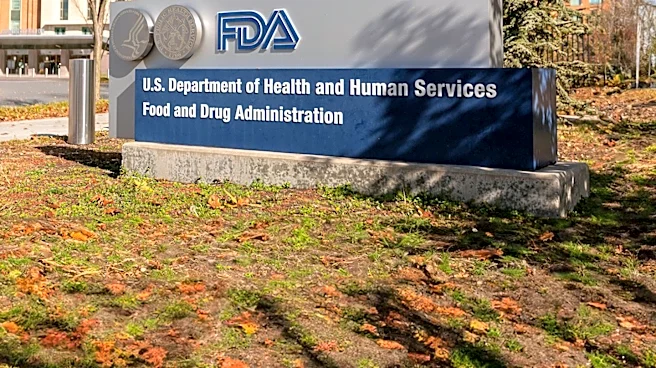
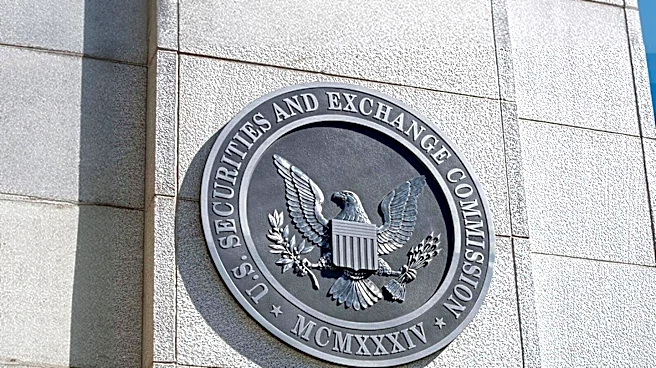
The U.S. Food and Drug Administration (FDA) and the U.S. Securities and Exchange Commission (SEC) have signed a memorandum of understanding (MOU) to facilitate the exchange of information regarding FDA-regulated products and activities. This agreement
aims to bolster their respective regulatory and enforcement responsibilities and enhance cooperation. The MOU, effective upon signature and lasting three years, allows for the exchange of nonpublic information, including FDA correspondence, meeting minutes, and complete response letters. This information can be used by the SEC to review public company filings for compliance with federal securities laws and in enforcement investigations. Notably, SEC contacts under the MOU are in both the Division of Enforcement and the Division of Corporation Finance’s Disclosure Review Program, indicating that FDA information may influence routine filing reviews and comment letters, not just enforcement actions. This initiative builds upon a 2004 agreement between the agencies but suggests a heightened level of scrutiny and coordination.
Why It's Important?
This enhanced coordination between the FDA and SEC significantly impacts life sciences companies, particularly those without FDA-approved products, as their public disclosures are now subject to more rigorous scrutiny. Companies must ensure that their public statements about product development milestones and FDA interactions precisely align with the underlying nonpublic FDA records. The SEC's access to comprehensive FDA data means that any discrepancies between public disclosures and internal FDA communications could lead to enforcement actions or regulatory challenges. This development also empowers the FDA to flag potentially misleading investor-focused communications to the SEC, creating an additional layer of oversight. The increased transparency and data sharing between these two critical regulatory bodies aim to protect investors by ensuring that the information provided by life sciences companies is accurate and complete, thereby fostering greater market integrity in the sector.
What's Next?
Life sciences companies should anticipate increased scrutiny of their FDA-related disclosures, including earnings call scripts, investor presentations, and press releases. They will need to reinforce their disclosure controls to promptly capture and accurately reflect significant FDA communications. Companies should also prepare for enhanced FDA oversight, as issues identified by the SEC through this information-sharing agreement could trigger FDA inspections or other regulatory actions. Conversely, FDA may identify areas for SEC scrutiny based on its review of a broad range of company materials, including clinical trial data and social media statements. This ongoing collaboration is expected to lead to a more integrated regulatory approach, requiring companies to maintain meticulous records and ensure absolute consistency between their internal communications with the FDA and their public-facing statements to investors.
Beyond the Headlines
The MOU between the FDA and SEC signals a broader trend towards inter-agency collaboration in regulatory oversight, particularly in sectors where scientific and financial disclosures intersect. This move could set a precedent for similar agreements in other highly regulated industries, leading to a more unified and stringent enforcement landscape. Ethically, it reinforces the imperative for corporate transparency and accountability, pushing companies to prioritize accuracy over promotional language in their public communications. Legally, it expands the scope of information available to regulators for enforcement, potentially increasing the complexity and volume of compliance requirements for life sciences firms. Culturally, it may foster a more cautious approach to public relations and investor communications within the industry, emphasizing factual precision and verifiable claims to avoid regulatory penalties.