








What's Happening?
Recent research into heart rate variability (HRV) underscores its significance as a marker of autonomic nervous system function and cardiovascular health. HRV measures the natural fluctuation in the time intervals between heartbeats, providing insights
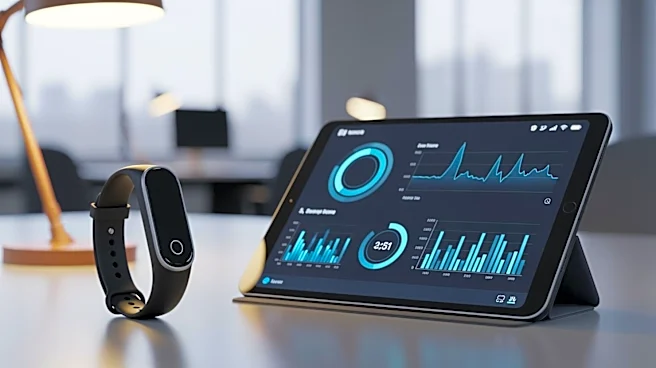
into the balance between the sympathetic and parasympathetic nervous systems. A higher HRV indicates a dominant parasympathetic effect, suggesting a state of recovery and resilience, while a lower HRV suggests sympathetic dominance, or increased stress. The growing popularity of wearable devices has made HRV data more accessible to the public, allowing individuals to monitor their health metrics alongside other factors such as sleep quality and activity levels. This accessibility has encouraged healthier habits among users, including athletes who use HRV to balance workouts with recovery.
Why It's Important?
The increased accessibility of HRV data through wearable technology has significant implications for personal health management. By providing a window into the autonomic nervous system's functioning, HRV can help individuals understand how lifestyle factors such as stress, sleep, and nutrition affect their overall health. This understanding can lead to more informed decisions about personal health and wellness, potentially reducing the risk of stress-related health issues. Moreover, the ability to monitor HRV can empower individuals to take proactive steps in managing their health, potentially leading to improved cardiovascular fitness and overall well-being. As HRV data becomes more integrated into everyday health monitoring, it could influence public health strategies and personal health practices.
What's Next?
As the technology behind wearable devices continues to advance, the accuracy and reliability of HRV measurements are expected to improve. This could lead to more precise health monitoring and personalized health recommendations. Additionally, as more research is conducted on HRV, its potential applications in clinical settings may expand, offering new insights into the prevention and management of cardiovascular and stress-related conditions. The integration of HRV data into broader health monitoring systems could also enhance the ability of healthcare providers to offer tailored advice and interventions based on individual health metrics.
Beyond the Headlines
The focus on HRV as a health metric highlights a broader trend towards personalized health monitoring and the use of technology to gain insights into individual health patterns. This shift towards data-driven health management raises questions about data privacy and the ethical use of personal health information. As individuals increasingly rely on wearable technology for health insights, there is a need for clear guidelines on data security and the responsible use of health data. Additionally, the emphasis on HRV and other health metrics may lead to a more holistic approach to health and wellness, encouraging individuals to consider a wide range of factors in their health management strategies.