




What's Happening?
Meta is reportedly planning to price its new AI wearable device, Muse Charm, at $300. This information, initially reported by The Information, was not denied by a Meta spokesperson, who stated, 'We’re charmed by the interest in our AI devices, and we’ll
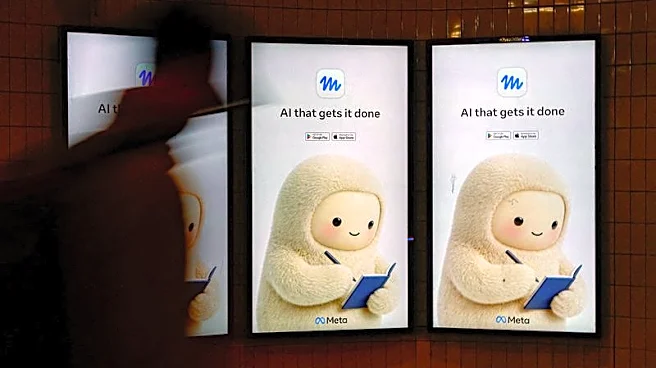
have more to share soon.' Muse Charm is described as a Tamagotchi-like AI device that will allow users to carry a physical personification of Meta's AI software, Muse, interacting with it through conversation, questions, and commands. Meta has already made strides in consumer AI with its Muse agentic helper and customizable avatars. The device aims to provide a portable, interactive AI experience.
Why It's Important?
The introduction of Muse Charm at a $300 price point marks Meta's continued push into the consumer AI hardware market, a sector that has seen mixed success with other AI wearables. This move is significant as it tests consumer willingness to adopt dedicated AI devices beyond smartphones and smart home assistants. The success or failure of Muse Charm could influence future investment and development in AI wearables across the industry. While the price is comparable to some competitors, it is considerably higher than other wearable AI devices like Amazon's Bee Frontier, which retails for $75. Meta's strategy to offer a 'physical personification' of its AI could differentiate it, but consumer adoption will depend on perceived value and utility compared to existing AI integrations in other devices.
What's Next?
The market will closely watch consumer reception to Muse Charm, especially given the challenges faced by other AI wearables. Meta will need to clearly articulate the unique benefits and use cases of Muse Charm to justify its price point and encourage adoption. Future developments may include enhanced functionalities, integration with other Meta platforms, and potential price adjustments based on market feedback. The company's ability to build a compelling ecosystem around Muse Charm will be crucial for its long-term success. The competitive landscape of AI wearables is likely to intensify, with companies continuously iterating on concepts to capture a broader audience.
Beyond the Headlines
The trend of AI personification in wearable devices, as seen with Muse Charm, raises interesting questions about human-AI interaction and the role of AI in daily life. Creating a 'Tamagotchi-like' physical embodiment of AI could foster a different kind of user engagement, potentially leading to more emotional or personal connections with AI assistants. This also brings forth discussions about data privacy and security, as these devices will likely collect extensive personal data through continuous interaction. The long-term societal impact of carrying personalized AI companions, and how they might influence human behavior and social interactions, remains an evolving area of consideration.