





What's Happening?
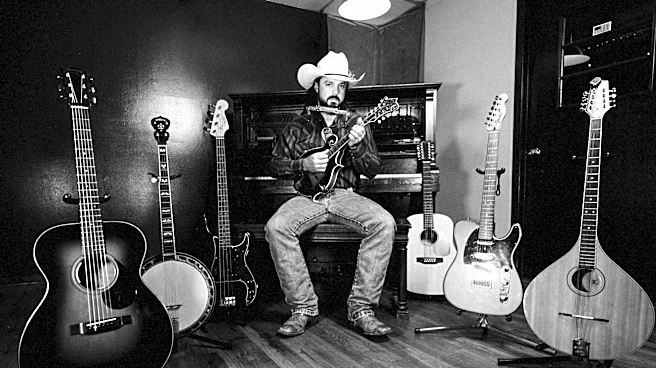
Ray Cobb, a longtime country music singer, has passed away at the age of 75. Although he did not achieve widespread chart-topping success, Cobb made a notable impact on the country music scene, often opening for some of the genre's biggest names. He initially
moved to Nashville to further his career but ultimately considered South Carolina his home, where he resided with his wife, Belinda. Cobb passed away on September 19 at the McLeod Hospice House in Florence, South Carolina. Friends and fellow musicians remember him for his genuine character and dedication to traditional country music. Scotty Dangerfield, a fan, recalled Cobb's performances and the unique atmosphere he created at his venue, Cobb's Corner. Cobb also toured the United States with the Ray Cobb Band before transitioning to owning and managing Cobb's Corner for over two decades, where he continued to perform.
Why It's Important?
Ray Cobb's passing highlights the contributions of artists who, while not achieving mainstream stardom, significantly shape local music scenes and influence their communities. His career demonstrates that impact in music isn't solely measured by chart success but also by authenticity, personal connection, and dedication to a genre. Cobb's commitment to traditional country music, even after moving to Nashville, underscores the enduring appeal and importance of regional musical identities. His role as a bar owner and performer at Cobb's Corner illustrates how artists can create spaces that foster community and preserve musical traditions. For many, Cobb represented the 'old-school country' ethos, a reminder of a time when music was deeply rooted in personal storytelling and genuine connection. His legacy, as remembered by friends and fans, emphasizes the value of character and passion in the arts, beyond commercial metrics.
What's Next?
The local country music community in South Carolina and beyond will continue to honor Ray Cobb's memory. Tributes from friends, fellow musicians, and fans are expected to continue, reflecting on his contributions to the genre and his personal character. His former venue, Cobb's Corner, may become a focal point for remembrance, potentially hosting tribute events or discussions about his influence. The stories and anecdotes shared by those who knew him will help preserve his legacy, particularly his dedication to traditional country music. While Cobb may not have had a national profile, his impact on his immediate community and the artists he influenced will likely be celebrated, reinforcing the idea that musical heritage is built by many, not just a few. His life story may also serve as an inspiration for aspiring local musicians, demonstrating the fulfillment found in pursuing one's passion for music, regardless of commercial outcomes.
Beyond the Headlines
Ray Cobb's story delves into the often-overlooked segment of the music industry: the dedicated regional artist. His career trajectory, from aspiring musician in Nashville to a beloved local figure and venue owner, illustrates the diverse paths artists take and the different forms success can assume. This narrative challenges the conventional definition of musical achievement, emphasizing the cultural and social capital built through sustained engagement with a community and a genre. Cobb's ability to create a 'true dive bar fashion' experience at Cobb's Corner speaks to the importance of intimate, authentic performance spaces in nurturing musical traditions and fostering direct connections between artists and audiences. His life also subtly touches upon the economic realities faced by many musicians, where passion often outweighs financial gain, and the decision to return to one's roots can be a profound act of self-definition. His legacy is a testament to the power of genuine artistry and community building in the broader tapestry of American music.