



What's Happening?
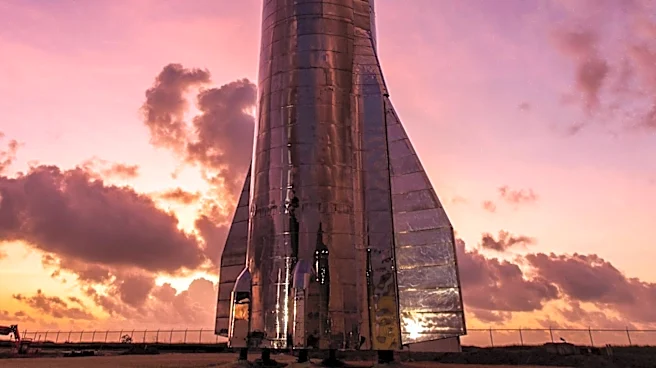
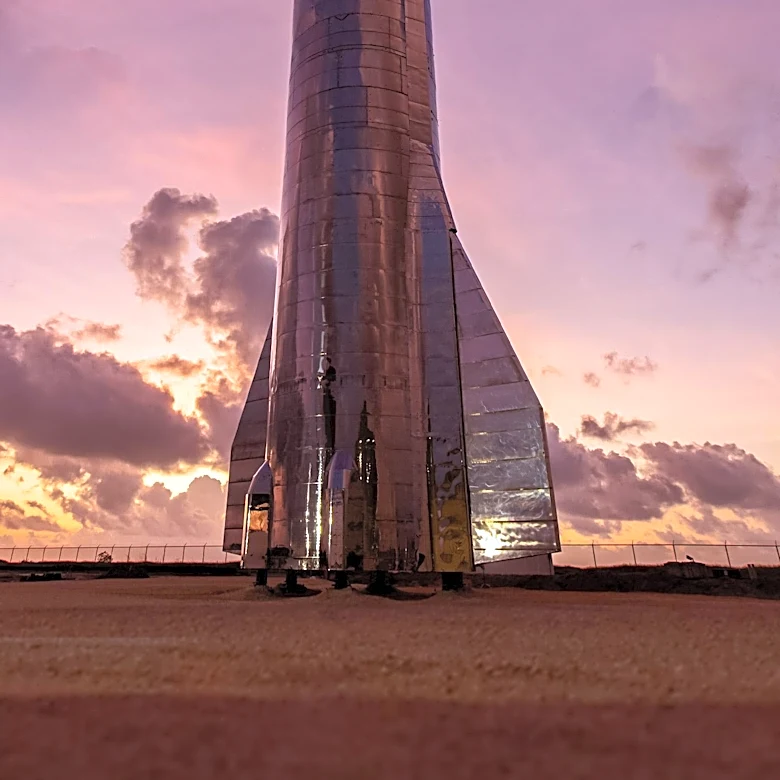
SpaceX's Starship upper-stage successfully landed intact in the Indian Ocean after its 13th flight test, marking a significant milestone for the company. Despite this achievement, efforts to recover the upper-stage, known as Ship 40, have been hampered
by challenging conditions and rough seas. SpaceX did not anticipate the upper-stage would survive the flight, and the recovery operation is proving difficult. Elon Musk, SpaceX's founder, has indicated that the recovery is 'not looking good.' The company aims to develop a fully reusable Starship for future crewed missions to the moon and Mars, and the successful landing of the upper-stage was unexpected. SpaceX is under contract with NASA to develop a lunar lander configuration of its Starship for the Artemis program.
Why It's Important?
The successful landing of the Starship upper-stage represents a major step forward in SpaceX's goal to create a fully reusable spacecraft, which could significantly reduce the cost of space travel. This development is crucial for future missions to the moon and Mars, potentially revolutionizing space exploration. However, the challenges in recovering the upper-stage highlight the difficulties in achieving full reusability. If SpaceX can overcome these challenges, it could set a new standard in the spaceflight industry, impacting both commercial and governmental space missions. The outcome of this recovery effort could influence future investments and partnerships, particularly with NASA and other space agencies.
What's Next?
SpaceX will continue its efforts to recover the upper-stage, although the prospects appear dim. The company will likely analyze the data and images obtained from the landing to improve future designs and operations. The focus will remain on developing a fully reusable Starship, with further tests and modifications expected. Stakeholders, including NASA and potential commercial partners, will be closely monitoring these developments. The success or failure of these efforts could impact SpaceX's role in future space missions and its ability to secure additional contracts.