




What's Happening?
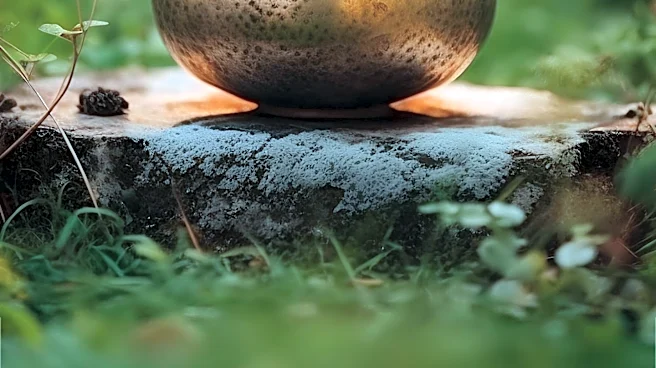
Sound baths, meditative sessions utilizing instruments like crystal singing bowls, Tibetan singing bowls, gongs, and chimes, are gaining popularity across the United States as a method for deep relaxation and holistic well-being. These sessions aim to
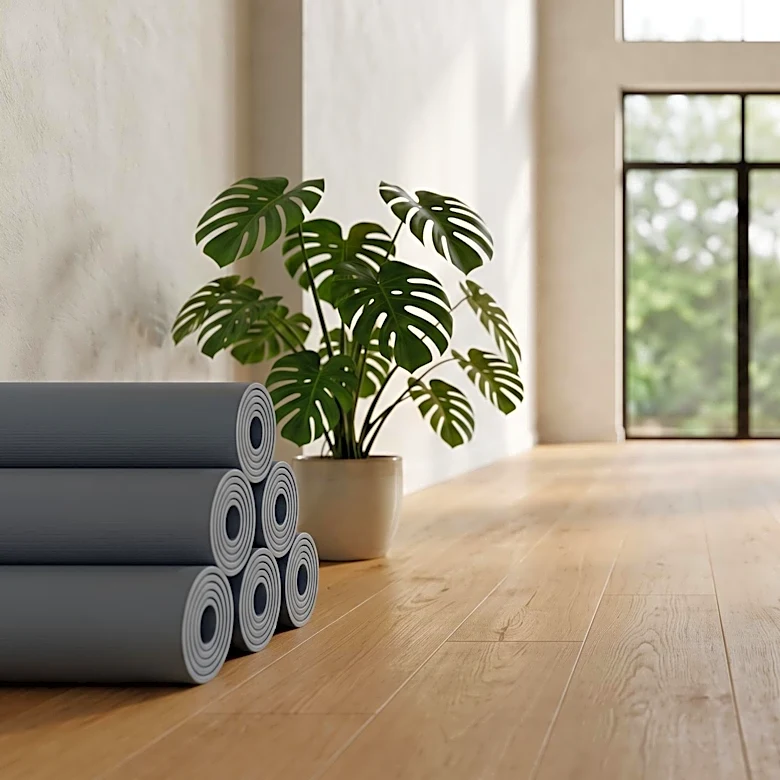
guide participants into a state of calm by using soothing vibrations to balance the body's sympathetic and parasympathetic systems. Wellness centers and event organizers, such as HOME Skincare and Wellness in Woodbine, MD, and Janet Fouts - Nearly Mindful in San Jose, CA, are offering these experiences. Participants are typically encouraged to wear loose clothing and bring comfort items like yoga mats and blankets. The sessions are designed to help individuals step away from daily stressors, potentially offering benefits such as stress relief, emotional release, and improved circulation. Some sound baths, like those offered by Ben Anderson, incorporate Reiki to energize the space and enhance the meditative state. Locations range from dedicated wellness centers to unique outdoor settings like Pease Park in Austin, TX, and the Kona Cloud Forest Sanctuary in Hawaii, which integrates nature's sounds.
Why It's Important?
The growing prevalence of sound baths highlights a broader trend in the U.S. towards alternative and complementary wellness practices. As stress levels and mental health concerns continue to be significant issues for many Americans, modalities that offer non-pharmacological approaches to relaxation and emotional balance are becoming increasingly important. The accessibility of sound baths in various settings, from urban wellness centers to natural outdoor environments, makes them available to a diverse population seeking respite. This trend also impacts the wellness industry, fostering growth in related sectors such as specialized instrument manufacturing, event organization, and holistic health services. For individuals, these sessions offer a structured way to engage in mindfulness and self-care, potentially leading to improved sleep, reduced anxiety, and enhanced overall well-being. The emphasis on comfort and personal preparation, such as bringing mats and blankets, underscores a personalized approach to health that empowers participants to tailor their experience.
What's Next?
The continued expansion of sound bath offerings is anticipated, with more wellness centers, community organizations, and even corporate wellness programs likely to incorporate these sessions. Event listings suggest ongoing and recurring sound bath events in various locations, indicating sustained demand. Organizers may explore new variations, such as integrating other healing modalities like Reiki, as seen in Ben Anderson's sessions, or combining them with unique natural settings, as exemplified by Pease Park and Kona Cloud Forest Sanctuary. There may also be an increase in private sound bath options for those seeking a more personalized experience. As awareness grows, there could be further research into the physiological and psychological benefits of sound therapy, potentially leading to broader acceptance and integration into mainstream health and wellness recommendations. However, participants with certain medical conditions, such as pacemakers, epilepsy, or severe mental health conditions, are advised to consult a physician, indicating a need for continued awareness and responsible practice within the growing field.
Beyond the Headlines
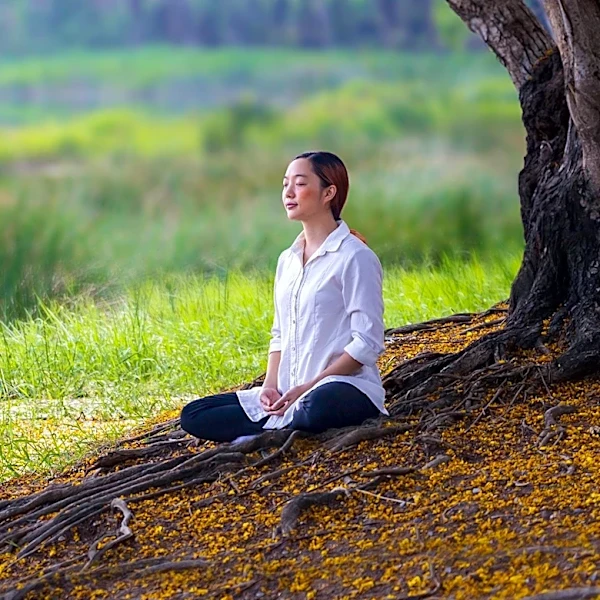
The rise of sound baths reflects a deeper cultural shift towards holistic health and a re-evaluation of traditional wellness paradigms in the U.S. It signifies a growing interest in ancient healing practices and their modern applications, moving beyond conventional medicine to embrace vibrational and energetic therapies. This trend also touches upon the concept of 'digital detox,' offering an immersive, screen-free experience that encourages presence and sensory engagement. The communal aspect of many sound baths fosters a sense of shared experience and collective healing, which can be particularly valuable in an increasingly isolated society. Furthermore, the integration of sound baths into natural environments, such as parks and cloud forests, underscores a desire to reconnect with nature and leverage its therapeutic qualities. This movement suggests a broader societal quest for inner peace and balance, utilizing accessible and non-invasive methods to achieve mental and emotional well-being.