




What's Happening?
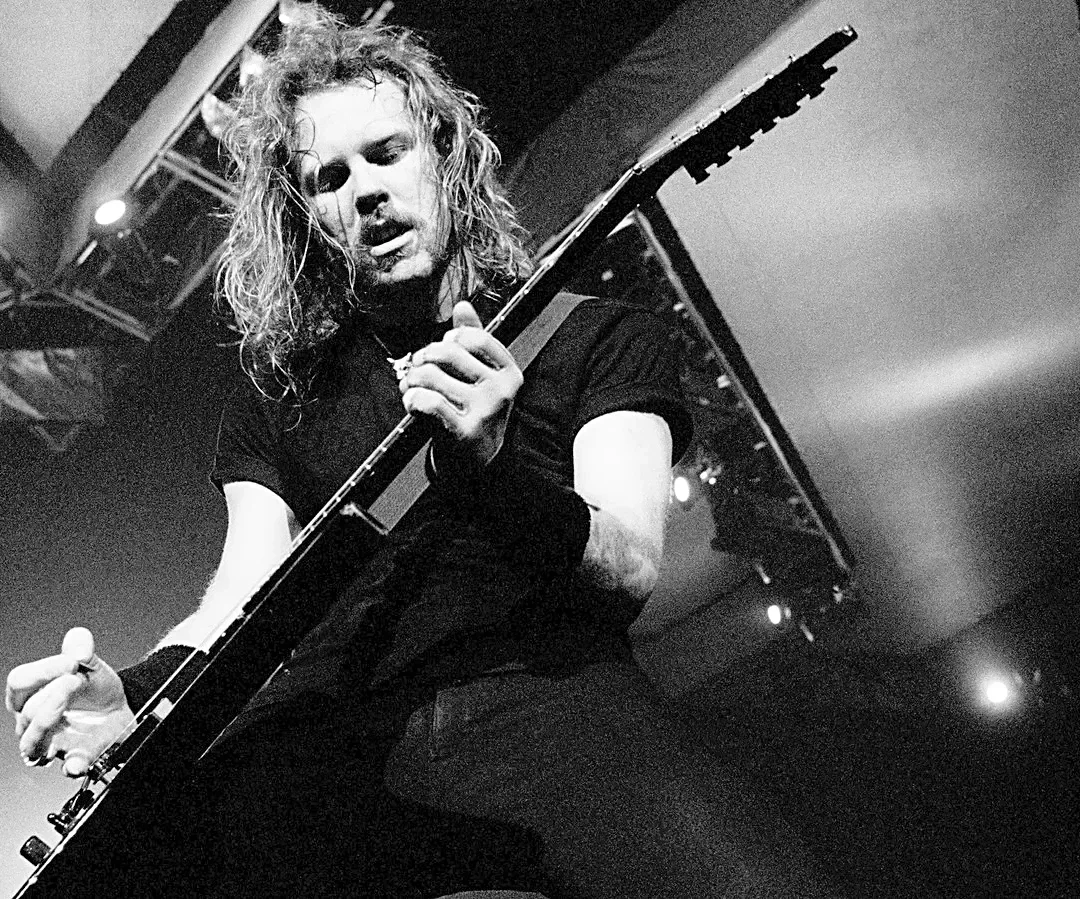
Dave Mustaine, frontman of Megadeth, has publicly addressed his long-standing reputation as a 'bad guy' and someone difficult to work with. He stated that his actions have always been driven by what he believed was best for Megadeth. Mustaine also voiced
his criticism of the nu metal genre, asserting that older forms of heavy music possessed greater authenticity. He noted that the boundaries of metal began to blur during the nu metal era, particularly with the rise of bands like Linkin Park, though he clarified he does not directly blame Linkin Park. This discussion arose in the context of his past interactions, including the departure of Marty Friedman from Megadeth, where Mustaine felt he was unfairly portrayed as the villain.
Why It's Important?
Mustaine's comments are significant for the heavy metal community, offering insight into the perspective of a prominent figure in the genre. His defense of his character and leadership within Megadeth could reshape public perception among fans and industry professionals. Furthermore, his critique of nu metal highlights a generational and stylistic divide within the broader rock and metal landscape. This ongoing debate about musical authenticity and genre evolution can influence how new artists approach their craft and how established genres are perceived by both critics and audiences. It also underscores the enduring relevance of discussions around musical integrity and the impact of commercial trends on artistic expression.
What's Next?
Mustaine's remarks may spark further discussions and debates within the music industry and among metal fans regarding genre purity, artistic integrity, and the evolution of heavy music. Other musicians, critics, and fans might weigh in on his perspective, potentially leading to renewed interest in the historical context of nu metal and its impact on the broader music scene. This could also influence future musical trends, with artists potentially leaning towards or away from genre-blending approaches based on such prominent critiques. For Megadeth, this clarification from Mustaine could strengthen his image as a dedicated band leader, potentially impacting fan engagement and the band's narrative moving forward.
Beyond the Headlines
Beyond the immediate musical discourse, Mustaine's statements touch upon broader themes of public perception and the challenges faced by public figures in controlling their narratives. His effort to redefine his image as a 'bad guy' reflects a common struggle for artists to reconcile their public persona with their personal intentions. The critique of nu metal also delves into the cultural implications of genre evolution, where the blending of styles can be seen as either innovation or dilution. This raises questions about the commercial pressures that influence musical trends and the tension between artistic authenticity and mainstream appeal, reflecting a continuous dialogue within creative industries about tradition versus modernity.