


What's Happening?
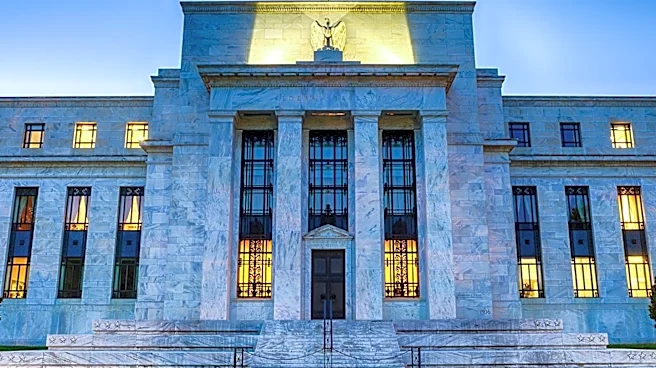
The Federal Reserve is under pressure to consider raising interest rates at its upcoming meeting due to persistent inflationary pressures. Despite a recent easing in inflation, core inflation remains above the Fed's 2% target, driven by robust consumer
spending, rising wages, and geopolitical tensions affecting global energy supplies. Analysts argue that a rate hike could help control inflation and prevent speculative excesses in financial markets. The Fed's decision is complicated by the need to balance economic growth with inflation control, as well as the potential impact of ongoing global conflicts on energy prices.
Why It's Important?
A decision to raise interest rates could have significant implications for the U.S. economy, affecting borrowing costs for consumers and businesses. Higher rates could slow economic growth by reducing consumer spending and investment, but they may also help stabilize inflation and prevent asset bubbles. The Fed's actions will be closely watched by financial markets, as investors assess the potential impact on economic stability and growth prospects. The decision will also influence global economic conditions, as other central banks may adjust their policies in response.
What's Next?
The Federal Reserve's meeting will be a key event for financial markets, with potential implications for interest rates, inflation, and economic growth. Policymakers will need to consider a range of factors, including global economic conditions, consumer spending trends, and geopolitical risks. The outcome of the meeting will provide insights into the Fed's approach to managing inflation and supporting economic stability in the face of ongoing challenges.