







What's Happening?
Soft adventure travel is emerging as a significant trend, characterized by low to moderate risk activities that require minimal prior experience. This type of travel focuses on enjoyment, nature, and light physical activity, making it accessible to a broad
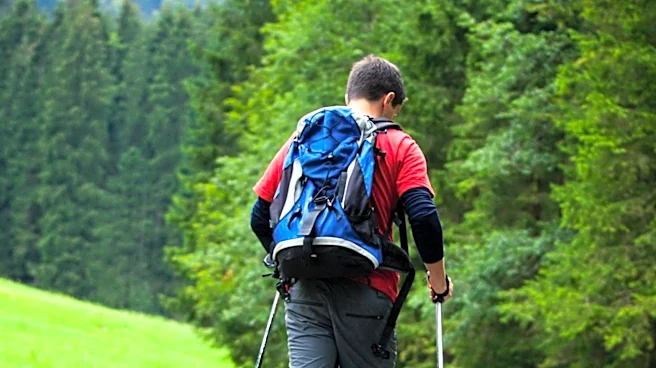
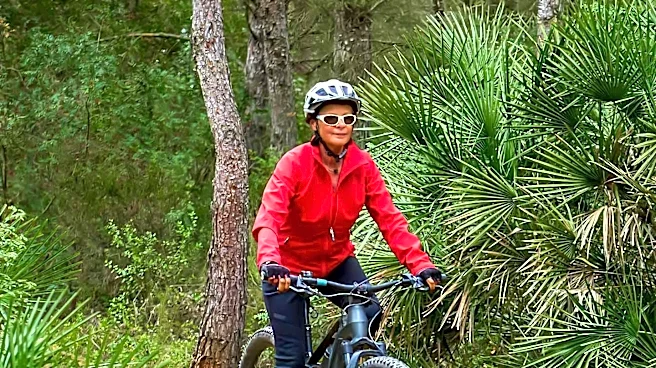
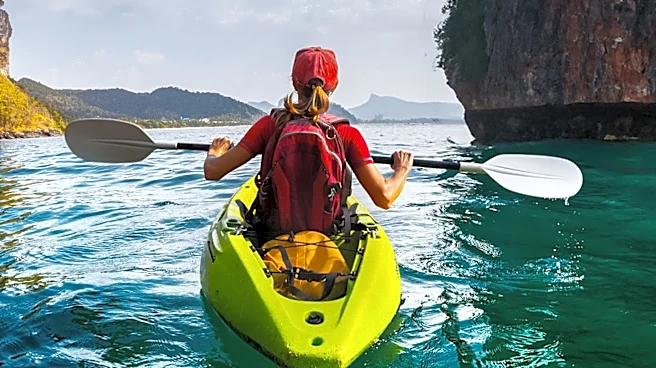
audience. Examples include easy trekking, controlled river rafting, cycling tours, nature walks, kayaking, camping, and cultural hikes. This segment of adventure tourism is particularly recommended for first-time visitors, family groups, corporate or incentive groups, and luxury travelers who seek light activity without the intensity of extreme adventures. The market for adventure tourism in India, for instance, is rapidly expanding, encompassing both gentle outdoor activities and high-intensity expeditions. Understanding the distinction between soft and extreme adventure is crucial for travel designers and tour operators to create targeted, safe, and marketable itineraries.
Why It's Important?
The rise of soft adventure travel signifies a shift in the tourism industry towards more inclusive and less physically demanding experiences. This trend broadens the appeal of adventure tourism beyond a niche group of thrill-seekers, opening it up to a wider demographic including families, older travelers, and those new to adventure. For the U.S. travel industry, this means potential growth in sectors offering accessible outdoor activities and nature-based tourism. Businesses that can cater to this demand by providing certified guides, standard safety protocols, and comfortable accommodations will likely see increased volume and accessibility. It also encourages the development of hybrid itineraries that blend soft and moderate activities, increasing conversion rates and client satisfaction by offering a spectrum of experiences. This approach allows for greater market penetration and diversification of tourism offerings.
What's Next?
The continued growth of soft adventure travel is expected, driven by its wider appeal and the increasing demand for luxury adventure experiences and offbeat destinations. Travel professionals will need to strategically segment their offerings and design balanced itineraries that cater to evolving traveler expectations. This includes focusing on safety assurance as a key selling factor, especially in international markets, and leveraging Destination Management Companies (DMCs) to ensure accurate classification of experiences, access to certified operators, and seamless logistics. The integration of wellness with adventure travel is also a trend to watch, suggesting that future soft adventure packages may increasingly incorporate elements of health and well-being. Businesses that adapt to these trends by offering well-curated, safe, and accessible soft adventure options will be well-positioned for success.
Beyond the Headlines
The growing popularity of soft adventure travel reflects a broader societal shift towards experiences that prioritize well-being, connection with nature, and personal growth over extreme challenges. This trend has ethical implications, as it encourages responsible tourism practices that are less impactful on fragile ecosystems and more inclusive of diverse physical abilities. It also highlights a cultural dimension where the definition of 'adventure' is expanding to include more contemplative and accessible forms of exploration. The long-term shift could lead to a re-evaluation of tourism infrastructure, emphasizing sustainability and local community engagement. As more people seek meaningful and less strenuous ways to engage with the world, the soft adventure segment could become a cornerstone of future tourism, fostering a deeper appreciation for natural and cultural heritage without the pressures of high-risk activities.