



What's Happening?
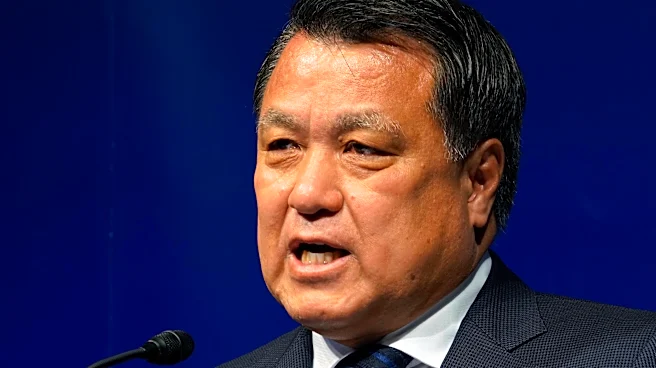
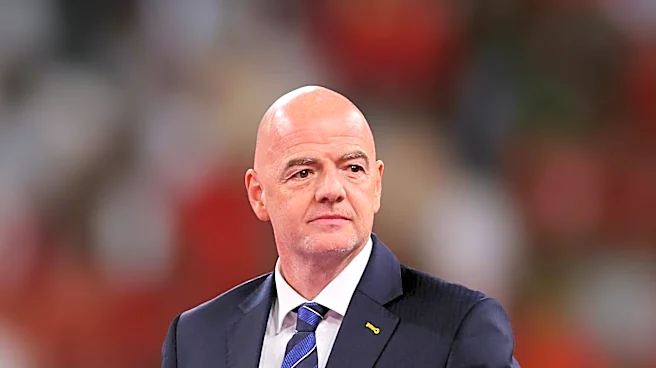
FIFA President Gianni Infantino is facing a significant challenge to his re-election bid from FIFA council member Kohzo Tashima. This development comes amidst what is described as the biggest crisis in Infantino's 11-year leadership of world soccer. Tashima,
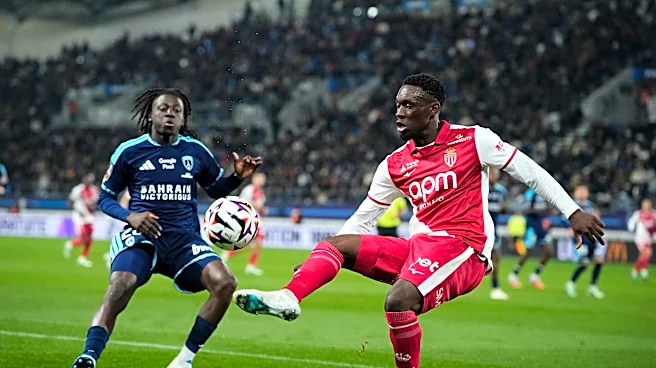
a colleague of Infantino for nearly 11 years, announced his intention to run for president, with the Japan Football Association unanimously backing his candidacy. Tashima's decision follows a period of scrutiny for Infantino, particularly after his proposal in July to sell stakes in future World Cup profits to private investors, which was met with widespread backlash from soccer leaders in Europe, Asia, and North America, and subsequently dropped. Additionally, Infantino and FIFA have faced questions regarding the integrity of disciplinary decisions in World Cup games involving prominent players like Cristiano Ronaldo, Folarin Balogun, and Lionel Mpasi. Tashima emphasized the importance of having an election rather than Infantino being re-elected unopposed.
Why It's Important?
The challenge to Infantino's presidency is significant because it introduces a contested election for the leadership of global soccer's governing body during a period of internal turmoil and external criticism. A change in FIFA leadership could lead to substantial shifts in the organization's governance, financial strategies, and approach to international football development. The controversy surrounding Infantino's proposed investor project highlighted concerns among member federations about the commercialization of the sport and transparency in decision-making. Tashima's candidacy, backed by the Japan Football Association, signals a desire for a more principled and diplomatic approach within FIFA, potentially influencing future policies on World Cup hosting, revenue distribution, and ethical standards. The outcome of this election will determine the direction of FIFA for the coming years, impacting how global football is managed and developed, and potentially altering relationships with key confederations like UEFA, which has been critical of Infantino.
What's Next?
The immediate next step involves Tashima formally securing support from five of FIFA’s 211 member federations by the November 18 deadline to enter the contest. Following this, he must pass an eligibility check by a FIFA-appointed panel. The election itself is scheduled for March 18 in Rabat, Morocco. Infantino is expected to face scrutiny regarding his eligibility to seek a fourth term, which would extend his tenure to 15 years, despite FIFA statutes generally limiting presidents to three full terms or 12 years. FIFA's legal advice in 2022 suggested Infantino's initial term (2016-2019) might not count against the 12-year limit. European soccer body UEFA has been actively seeking a candidate to challenge Infantino, and it remains to be seen if Tashima will receive their formal endorsement, which could significantly bolster his campaign. The coming months will likely see intensified campaigning and debate over FIFA's future direction.
Beyond the Headlines
This leadership challenge extends beyond a simple election, touching upon deeper issues of governance, ethics, and the commercial future of global football. The controversy over Infantino's investor project revealed a tension between FIFA's financial ambitions and the traditional values of the sport, raising questions about who truly benefits from major football events like the World Cup. Tashima's emphasis on a 'sincere, sound, and noble approach' from Japanese soccer suggests a potential shift towards greater transparency and less commercially driven decision-making within FIFA. The scrutiny over disciplinary decisions also highlights concerns about fairness and impartiality at the highest levels of football administration. This election could serve as a referendum on FIFA's direction, potentially leading to reforms that prioritize the integrity of the game and the interests of member associations over purely commercial ventures, thereby influencing the sport's global landscape for decades.