
What's Happening?
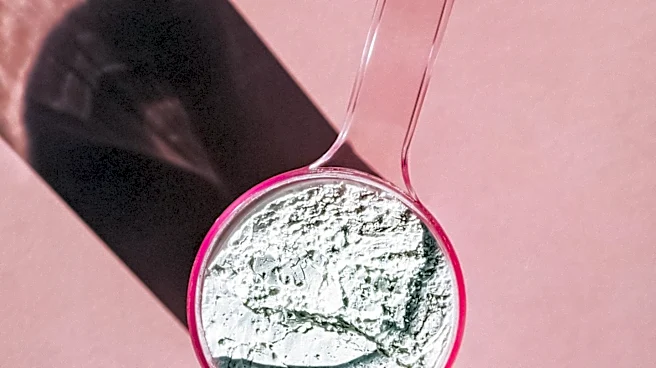
Creatine, a widely studied supplement in sports science, is now being actively researched for its potential benefits around menopause. During menopause, declining estrogen levels accelerate the loss of
both muscle and bone mass. Early research is exploring whether creatine, particularly when paired with resistance training, can offer encouraging effects on lean mass in postmenopausal women. While the findings on lean mass are promising, the impact on bone health remains mixed and unproven. This expansion of creatine research highlights a growing interest in addressing age-related physiological changes in women, moving beyond its traditional association with athletic performance and bodybuilding.
Why It's Important?
The investigation into creatine's role during menopause is significant for U.S. women's health, as it addresses critical issues like sarcopenia (muscle loss) and osteoporosis, which become more prevalent and impactful after menopause. Effective interventions to mitigate these conditions could substantially improve the quality of life for millions of women, reducing the risk of falls, fractures, and overall physical decline. If proven effective, creatine could become a valuable, accessible tool in a comprehensive approach to healthy aging for women. This research also signifies a shift towards more inclusive scientific studies, recognizing the unique physiological needs of different demographic groups, particularly women, who have historically been underrepresented in sports and supplement research.
What's Next?
Further clinical trials are necessary to solidify the evidence regarding creatine's effects on muscle and bone health in postmenopausal women. These studies will need to be robust, long-term, and specifically designed to measure outcomes relevant to menopausal physiology. If positive results emerge, healthcare guidelines may eventually incorporate creatine as a recommended supplement for postmenopausal women, particularly those engaged in resistance training. Additionally, educational campaigns would be crucial to inform both healthcare providers and the public about the appropriate and safe use of creatine in this context, dispelling misconceptions and ensuring it is integrated responsibly into health management strategies.
Beyond the Headlines
This emerging area of research on creatine and menopause reflects a broader societal recognition of the importance of women's health across the lifespan, moving beyond reproductive health to encompass aging and vitality. It also underscores the potential for existing, well-researched compounds to find new applications in addressing complex physiological challenges. The shift in focus from solely performance enhancement to health maintenance and disease prevention highlights a maturing understanding of supplements. Ethically, it emphasizes the importance of evidence-based recommendations, ensuring that women are not subjected to unproven remedies but rather benefit from scientifically validated interventions to support their health during menopause.