
What's Happening?
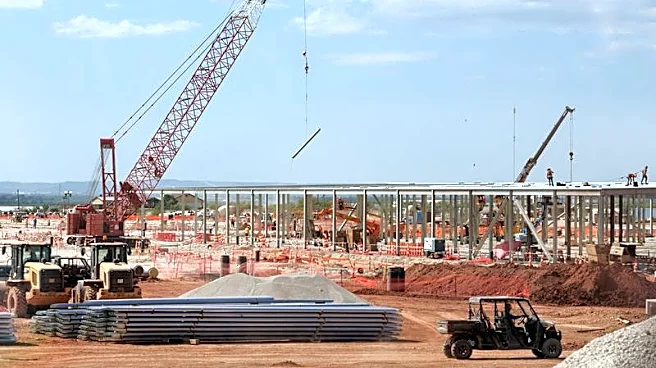
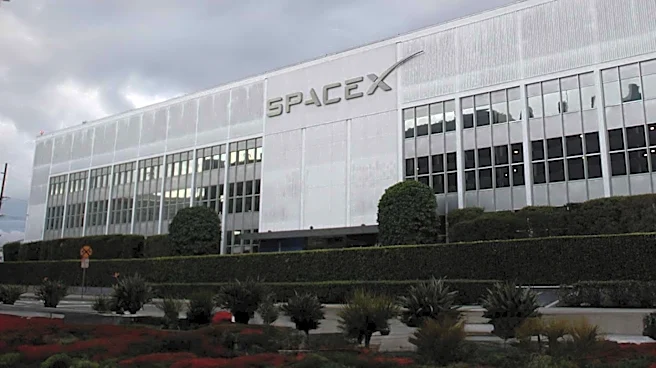
Elon Musk has announced that SpaceX is developing a foundry in Bastrop, Texas, to manufacture turbine blades and vanes. These components are critical for natural gas turbines, which are currently a significant
bottleneck in providing power for new data centers, particularly those supporting artificial intelligence (AI) infrastructure. By bringing this manufacturing in-house, Musk claims SpaceX can reduce the time required to get gas turbines online by up to 18 months. This initiative is part of SpaceX's broader expansion into AI infrastructure, which demands substantial computing capacity and, consequently, enormous amounts of electricity. Musk has previously warned that power availability could hinder the operation of AI computing hardware. SpaceX is also pursuing solar manufacturing capacity, with a goal of producing 100 gigawatts (GW) annually in the U.S., but acknowledges that natural gas will be necessary to supplement solar for several years. The foundry could also potentially manufacture castings for SpaceX's Raptor rocket engine turbopumps, allowing for cost distribution across both space and AI operations.
Why It's Important?
This move by SpaceX is significant because it directly addresses a critical constraint in the rapid expansion of AI infrastructure: power generation. The ability to accelerate the deployment of natural gas turbines by up to 18 months could dramatically speed up the operational readiness of new AI data centers. This has direct implications for SpaceX's own AI infrastructure build-out, potentially allowing its expensive computing equipment to generate revenue sooner. For Tesla, while the benefit is less direct, it is still important. Tesla is heavily invested in AI, autonomy, robotics, energy storage, and solar. A faster build-out of AI power infrastructure could increase demand for Tesla's solar generation and battery storage solutions, such as its Megapack business, making Tesla Energy an increasingly vital part of the company's valuation. The vertical integration also gives SpaceX greater control over its expansion plans and reduces dependence on external suppliers, which could be a competitive advantage in the burgeoning AI sector.
What's Next?
The immediate next step for SpaceX will be the successful establishment and operationalization of its foundry in Bastrop, Texas. The company will need to demonstrate its capability to reliably manufacture turbine blades and vanes at scale, a process that established manufacturers have spent decades perfecting due to the extreme operating conditions these parts endure. If successful, this could lead to a faster deployment of the 10 GW or more of terrestrial data centers Musk aims to build by the end of 2027. The market will be watching for updates on the foundry's progress and its impact on SpaceX's AI infrastructure timeline. Furthermore, the potential for the foundry to also produce components for Raptor rocket engines suggests a dual-purpose facility that could further optimize costs and production for SpaceX's diverse ventures. The broader energy sector and AI industry will likely monitor this development closely, as it could set a precedent for how companies address power constraints in rapidly growing technological fields.
Beyond the Headlines
This strategic move by SpaceX highlights a deeper trend in the technology sector: the increasing vertical integration of critical supply chains, especially in areas where external dependencies create bottlenecks. The AI boom is not just a computational challenge but also an energy challenge, revealing vulnerabilities in existing power generation and distribution infrastructures. SpaceX's decision to manufacture turbine components in-house underscores a proactive approach to securing essential resources for its ambitious AI and space endeavors. This could signal a shift where major tech players, facing unprecedented demands for power, begin to invest directly in energy production and component manufacturing, rather than solely relying on traditional energy providers. Such a shift could have long-term implications for the energy industry, potentially fostering new innovations in turbine manufacturing and energy infrastructure development driven by tech companies. It also emphasizes the growing convergence of the tech and energy sectors, as AI's insatiable power demands necessitate novel solutions beyond conventional approaches.